(the publishing imprint of the C-of-C-C)
Meta-description:
An irreverent and thought-provoking dispatch from Coelacanth Press about pollution, resilience, and finding unexpected beauty in ecological disaster zones. Featuring excerpts from Carson O’Ginnic’s Finding Fun in the Superfund Sites.
We are considering a road trip to East Palestine (pronounced Pal-us-teen), Ohio, to host our own water-drinking party.
https://www.vice.com/en/article/east-palestine-drinking-water-mike-dewine/
A report from this adventure will be included in the new edition of our classic title:
FINDING FUN IN SUPERFUND SITES:
Making the Most of Ecological Destruction
By Carson O’Ginnic

Publisher’s Foreword:
Part metaphysical speculation, part tourist guide, part memoir—Mr. O’Ginnic explores EPA hotspots across the USA and beyond.
He asks the question: “What isn’t natural?”
His answer: pollution and destruction of the environment are not exceptions to nature, but expressions of it—carried out through humanity, Nature’s own progeny.
Human waste, he reminds us, becomes nourishment for something else, just as volcanic eruptions destroy in order to build new landforms and enrich the soil.
Similarly, an effluent-fueled algae bloom promotes the life of green scum as surely as a pristine brook nurtures trout.
It is, ultimately, a matter of perspective.
That’s Mr. O’Ginnic’s thesis, as the book illustrates through life experiences and field evidence.
How, you may ask, can an organization with “conservation” in its name publish such a book?
Our answer:
We believe in conserving free speech and hosting a multitude of viewpoints. Besides, ecological destruction is a fact of life—especially here in Nova Cæsarea, where we are located.
Why not accept the reality, make peace with it—and have fun at the same time?
Some readers may find this controversial.
But Mr. O’Ginnic’s arguments are worthy of consideration.
From the Introduction by J.St.E.:
“What the hell does ‘pristine’ mean anyway?”
The Przewalski horses are returning to Chernobyl.
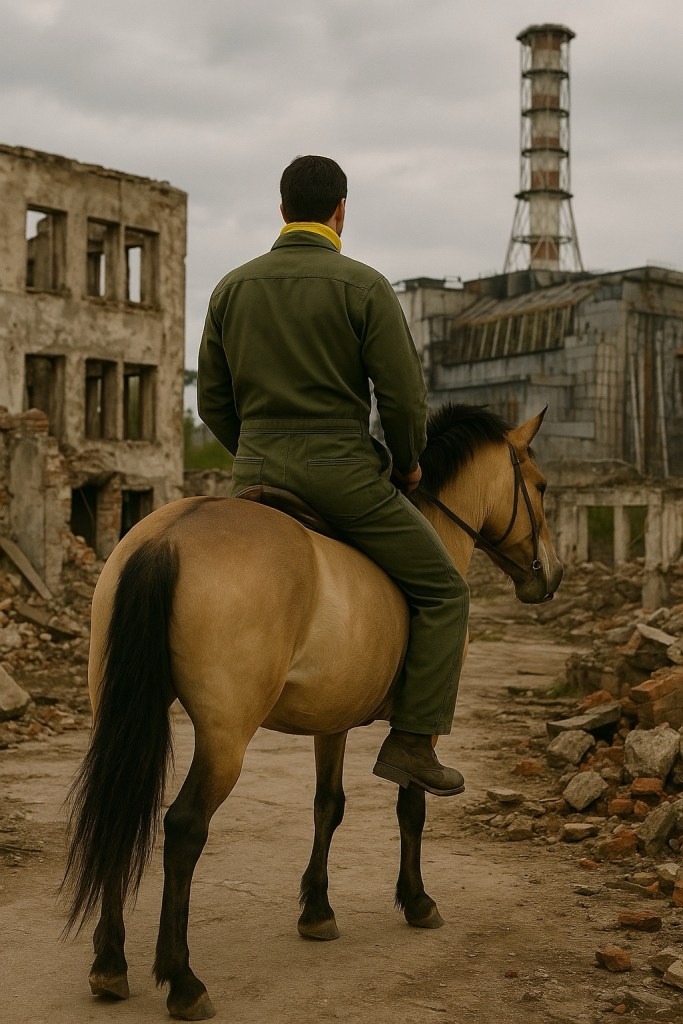
Ecological destruction won’t end the world—just perhaps us.
Some of the most serene, interesting, and stunningly beautiful places I’ve ever lived near—or spent time in—were scenes of ecological contamination or destruction.
**************
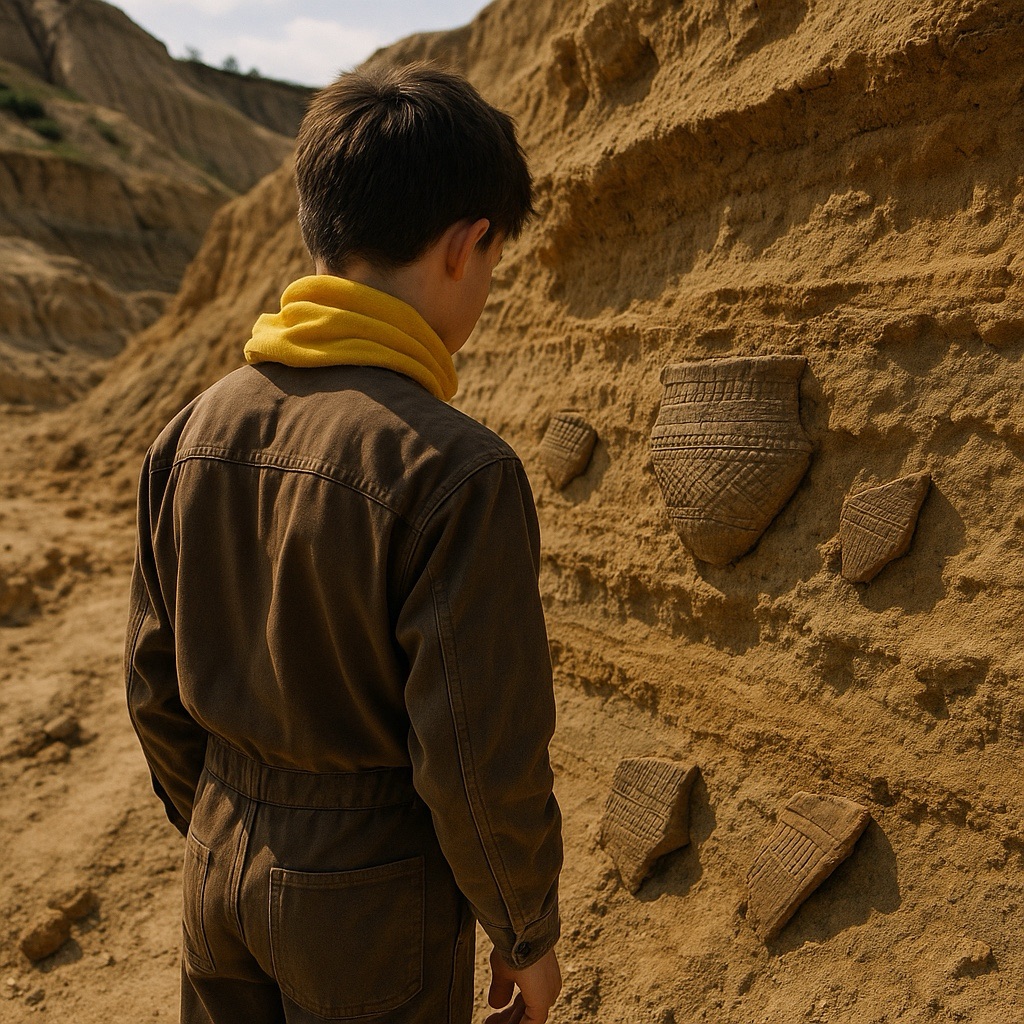
The clay pits mined by the Sayre-Fisher Company of Sayreville were my adolescent playground.
Fifty-foot-deep holes sprawled across vast acreage—ready-made archaeological digs where you could find fossils, Lenape arrowheads, pottery, even colonial artifacts.
Or you could strip to your shorts, cover yourself in clay—blue, pink, red, yellow—and leap into the spring-fed ponds to wash it off.
Working-class kids didn’t need swimming pools or museum trips.
When thirst struck, natural springs bubbled from the eroded hillsides.
A short walk brought you to the hand-pump well, where townsfolk filled their jugs with cold groundwater.
(Yes, the EPA later shut down the nearby factory that had dumped PCB waste for decades.)
**************
Colliers Mill Wildlife Management Area—where I spent many meditative Saturdays bow-hunting—borders the Bomarc site, where a nuclear missile caught fire in 1960 and was entombed in concrete.
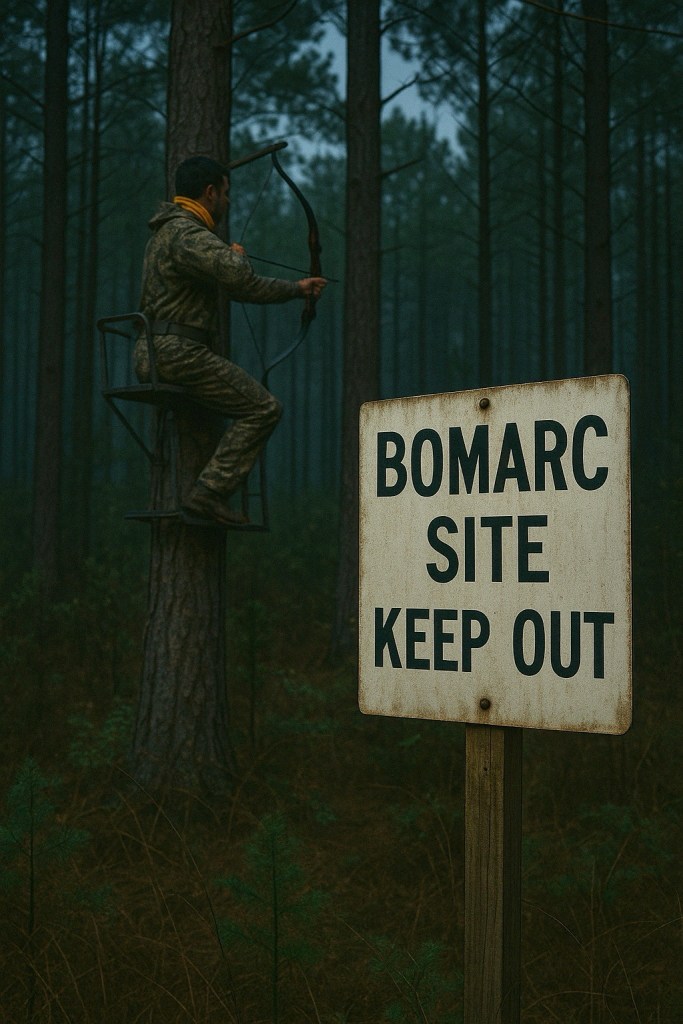
This disaster, largely forgotten, sparked many strange animal sightings in the Pine Barrens, including numerous reports of large black cats.
**************
Providence Canyon State Park in Lumpkin, Georgia (near Fort Benning) offers another example.
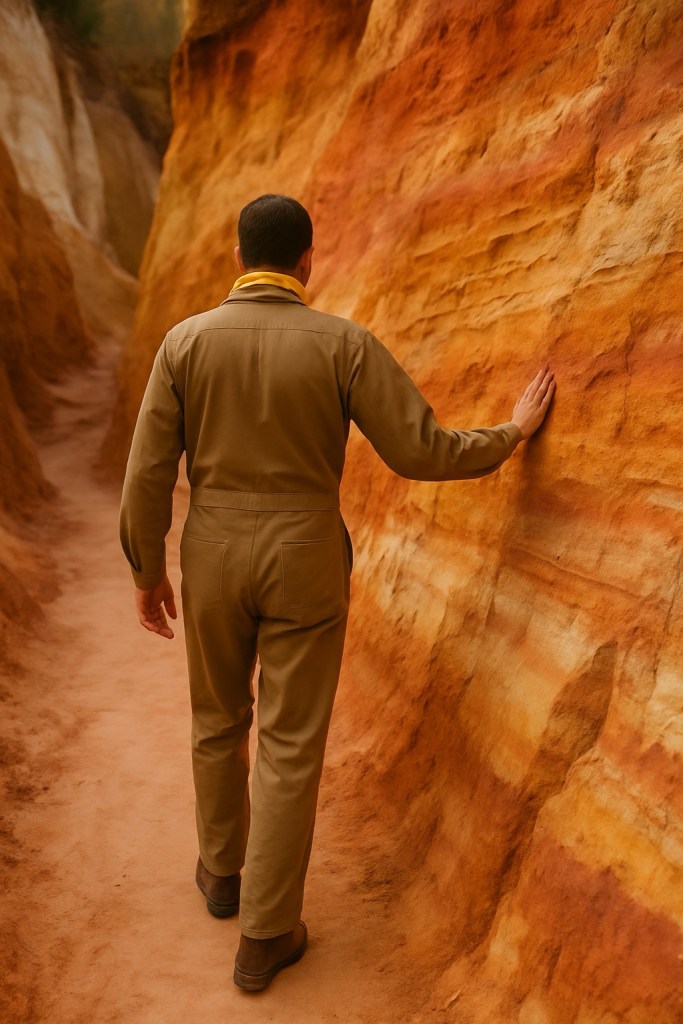
Faced with a choice between visiting Andersonville—the Civil War concentration camp—or Jimmy Carter’s home in Plains, I chose instead to hike alone in this little-known but beautiful park.
Poor farming practices had eroded the landscape into ravines up to 150 feet deep, creating the so-called “Grand Canyon of the South.”
**************
The “strippings” of Pennsylvania—former open-pit coal mines—have largely been backfilled with topsoil, creating thriving wildlife habitats.
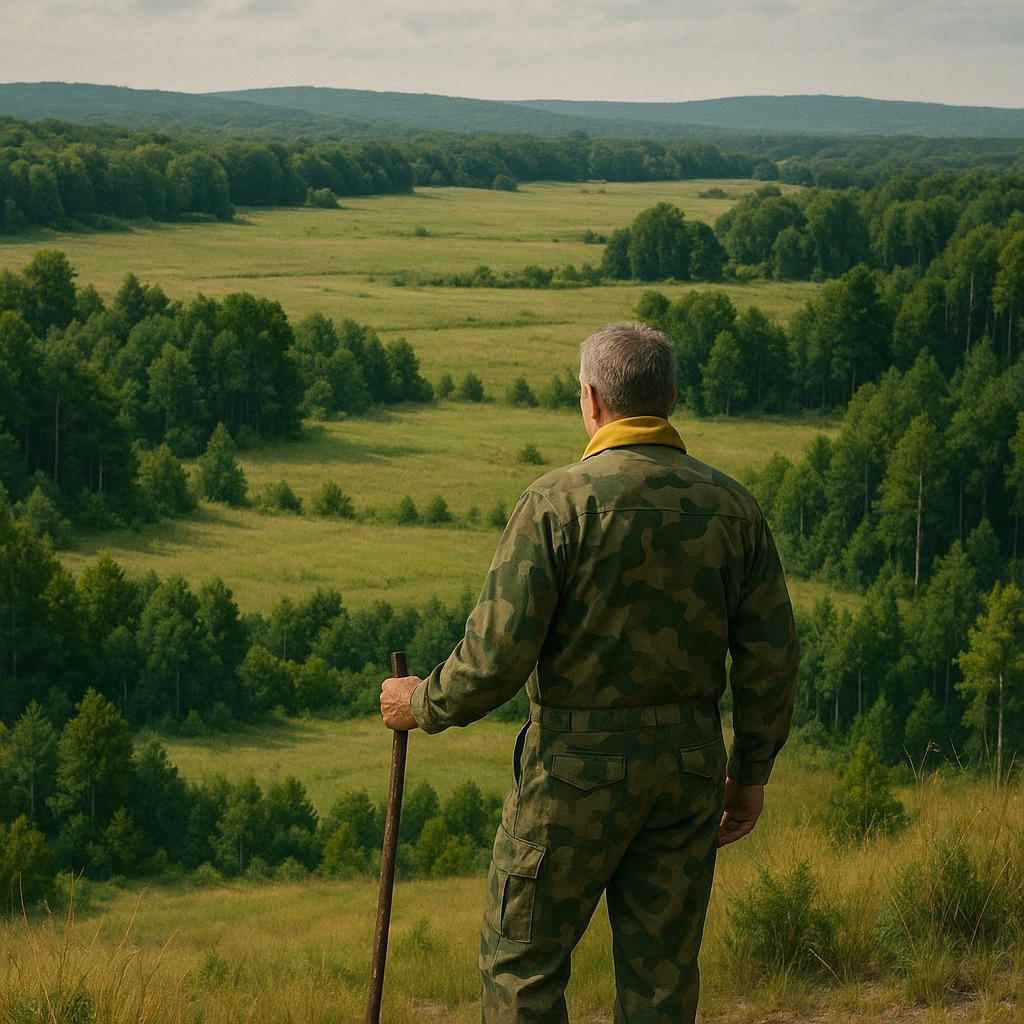
Transplanted Rocky Mountain elk now flourish there.
The open terrain feels like the American West.
I plan to spend many more hours hiking these lands.
**************
Capoolong Creek, in the Hunterdon County hills above Flemington, NJ, is a native brook and wild brown trout stream—largely unfished.
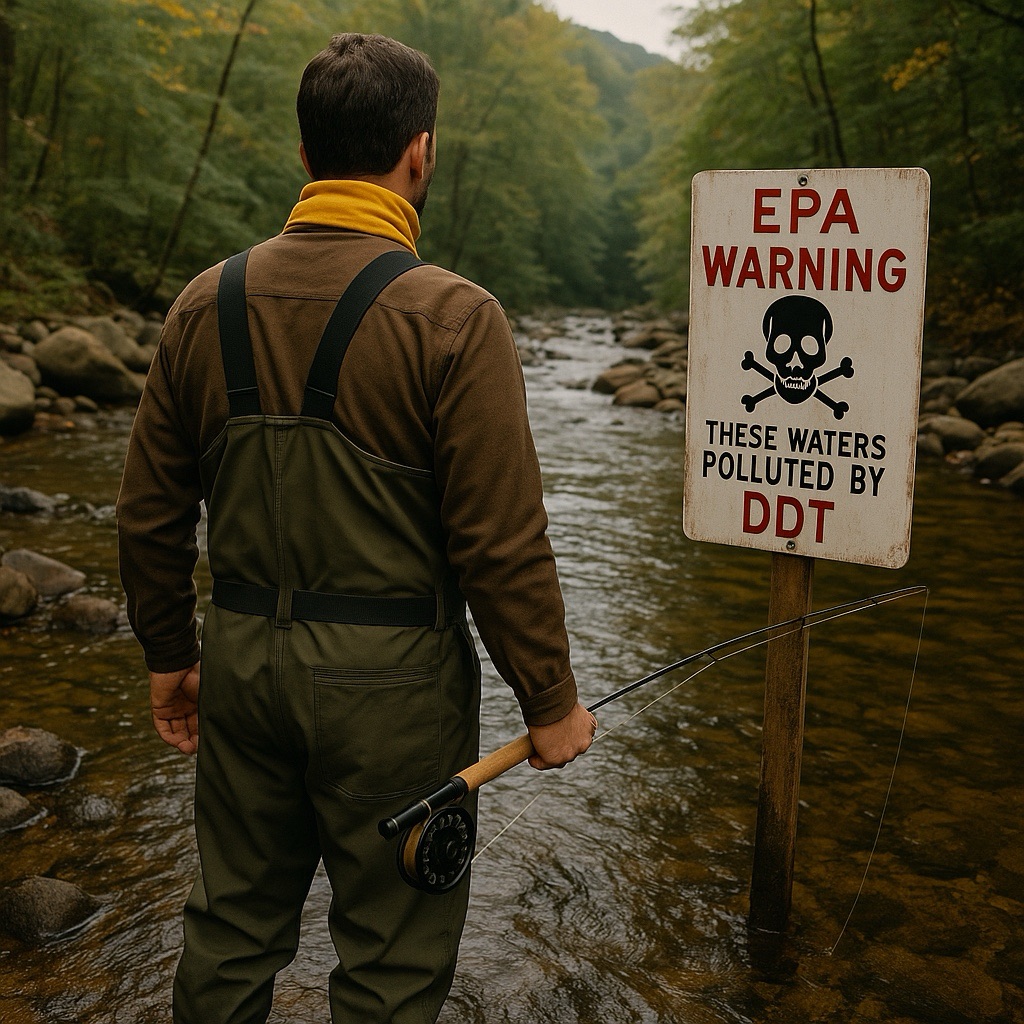
For years, I practiced catch-and-release here, even as skull-and-crossbones signs warned about nearby former DDT storage sites.
The wild trout didn’t seem to mind.
They were flourishing.
**************
Iceland—a nation just below the Arctic Circle—teaches similar lessons.
Norse settlers, arriving a millennium ago, brought pigs and cattle that tore up the thin topsoil.
Forests once covered the island; they vanished within a century.
Volcanoes and fissures continue to spew toxic gases, and the earth bubbles and boils with subterranean heat.
The air often smells like the back of an old dry-cleaning store.
If you visit Iceland, seek out Lake Kleifarvatn—or rather, the site where it once lay.

We took a rented Toyota twenty kilometers outside Reykjavik, following street signs laid out for a now-vanished lakefront community.
The lake had drained into the shifting geology—and may someday return, bringing back the rumored lake monster with it.
Giant Earth Crack Drains Lake in Iceland — StrangeSounds.org
In the chapters that follow, my friend Carson—(did I mention we’re like two sides of the same coin?)—will show that wildflowers, fast-food wrappers, and discarded beer bottles alike can all be appreciated for their natural place in the world.
It’s all Nature.
Can’t you see it?
 COUNCIL-OF CONCERNED-CONSERVATIONISTS…..Between Jest And Earnest…..
Leave a comment