From The Council-of-Concerned-Conservationists Newsletter
**************
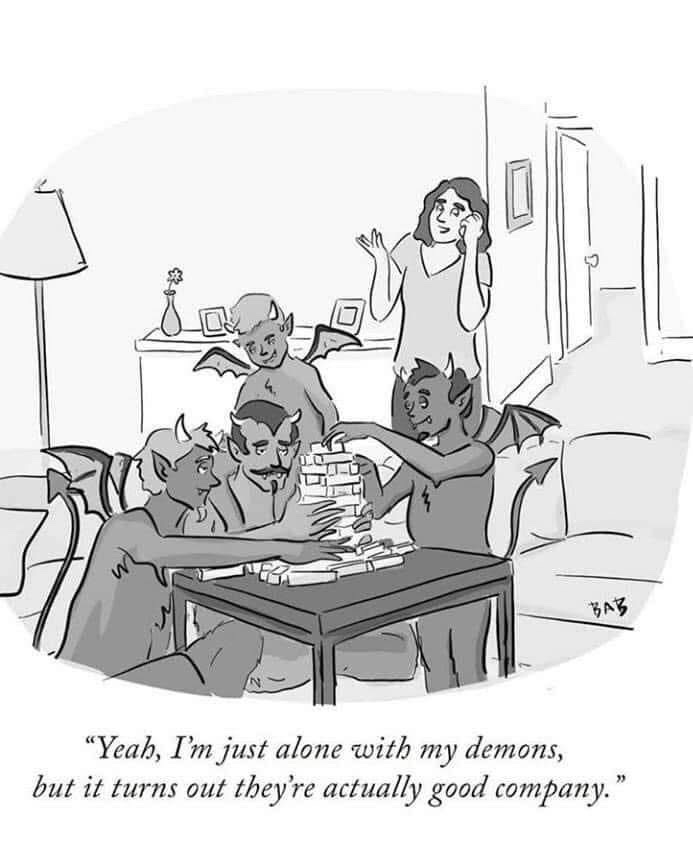
Theme: The Making of Something Out of Nothing—and Nothing Out of Something
Today’s offerings are as much about folding meaning as folding money.
First at bat: Mr. Edgar Allan Poe
(Epigram for Wall Street, 1845)
“I’ll tell you a plan for gaining wealth,
Better than banking, trade or leases.
Take a bank note and fold it up,
And then you will find your money in creases!
This wonderful plan, without danger or loss,
Keeps your cash in your hands, where nothing can trouble it;
And every time that you fold it across,
’Tis as plain as the light of the day that you double it!”
Second at bat: Mr. G.K. Chesterton
*(from The Common Man)
“A JOKE is always a thought; it is grave and formal writing that can be quite literally thoughtless. This applies to jokes when they are not only quite verbal but quite vulgar. A good pun, or even a bad pun, is more intellectual than mere polysyllables. The man, the presumably prehistoric man, who invented the phrase, ‘When is a door not a door? When it’s ajar,’ made a serious and successful mental effort of selection and combination. But a Prussian professor might begin on the same problem, ‘When is a door not a door? When its doorishness is a becoming rather than a being, and when the relativity of doorishness is co-ordinated with the evolution of doors from windows and skylights…’ etc. etc.”
“The Prussian professor might go on like that forever, and never come to the end—because he would never come to the point. A pun or a riddle can never be in that sense a fraud. Real wisdom may be better than real wit, but there is much more sham wisdom than there is sham wit.”
—The Accidental Initiate
Marked for reference by: Paige Turner, Sub-Sub Librarian
 COUNCIL-OF CONCERNED-CONSERVATIONISTS…..Between Jest And Earnest…..
Leave a comment