“The names of things are not what they seem.” — Seneca the Younger
[Interior: A half-cleared hillside near the Pennsylvania border. A dented Council sign reads: “Please Watch Your Language.” The wind carries the sound of chainsaws, pressurized gas valves, and a glottal stop trying to find its way home.]
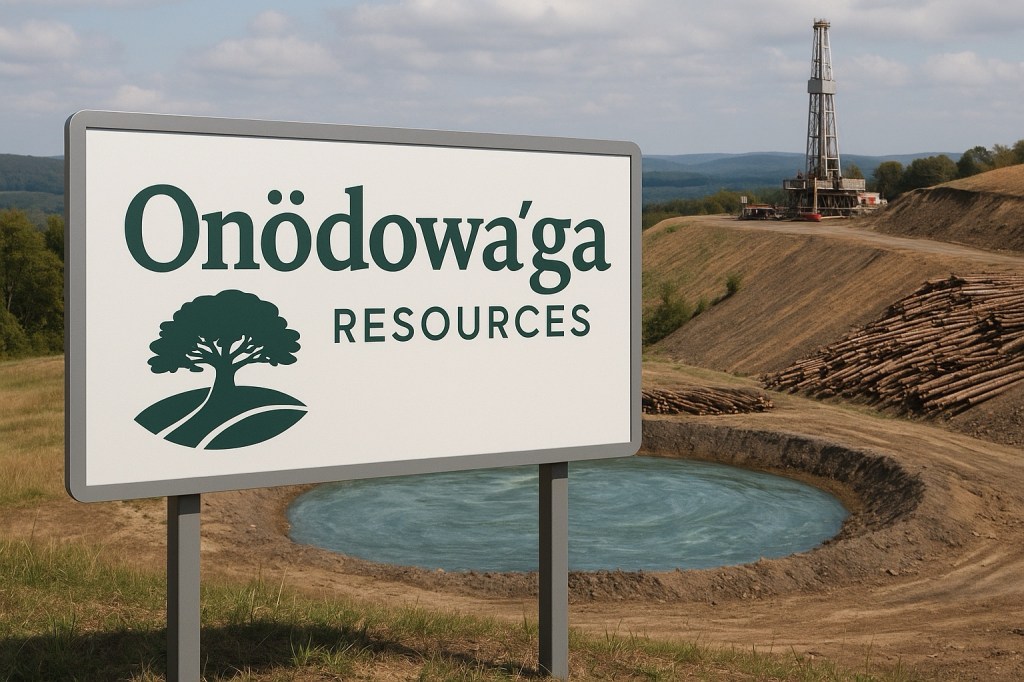
It’s time again for a Council favorite: Lexical Leapfrog, the game where names jump rivers, climb hills, and try to survive centuries of mispronunciation. This week’s contestants: the Onödowáʼga: (misnamed the Seneca), and the island once called Caesarea, now known in faded freeway paint as New Jersey. What do they share? Mishearing, renaming, and the imperial impulse to brand everything in reach.
Because, as we now know:
A Roman nose… but a Roman also knows.
ROUND ONE: THE SENECA SITUATION
The people known to history as the Seneca were one of the six nations of the Haudenosaunee Confederacy. In their own language, they called themselves:
Onödowáʼga:
Pronounced: “Oh-no-doh-WAH-ga”
Meaning: “People of the Great Hill”
How do we get Seneca from that?
Likely from Algonquian-speaking neighbors, who used a term like “Senneka” to refer to them. European settlers heard it secondhand, scrawled it in wet ink, trimmed the syllables, and polished it with a Latin sheen. Coincidentally, Seneca is also the name of a Roman Stoic, but the link is accidental — not etymological.
So: Onödowáʼga:, a name grounded in geography and identity, was replaced with a label fit for a colonial map legend. The hill remained. The name was cleared.
ROUND TWO: THE CAESAR IN YOUR STATE NAME
(Or, A Roman Knows When to Rebrand)
New Jersey may sound like something you win in a colonial raffle, but its name carries a quiet imperial echo.
In 1664, the colony was named New Jersey to honor Sir George Carteret, who came from the Island of Jersey. That island’s name derives from Caesarea, the Latin name bestowed by Romans in tribute to Julius Caesar. Through centuries of Norman and French linguistic drift, Caesarea became Gersoi, then Jersay, and finally Jersey.
Thus, Nova Caesarea — “New Caesar-land” — became New Jersey, a name that traded its toga for turnpikes.

And yes, a Roman knows when to leave his name behind like a breadcrumb — and let history rename it into comfort.

WORD SALAD AND CAESAR DRESSING
These transformations aren’t just linguistic accidents. They’re semantic reconquests — part of a larger imperial menu.
We call it a word salad when meaning gets jumbled, chopped, and tossed until it’s barely recognizable. But in this case, it’s more like a Caesar salad — history dressed up in imperial garb, served cold, with croutons of confusion.
Seneca. New Jersey. Names that sound familiar but are smothered in dressing — Roman, colonial, corporate — until the original ingredients are almost lost beneath the gloss.
POSTSCRIPT: THE ECONOMY OF NAMES (AND OTHER IRONIES)
Just when you thought the etymological stew couldn’t get saltier, along comes a company operating in Pennsylvania and New York — heavily involved in natural gas drilling and hillside extraction — named:
Seneca Resources
Yes, that Seneca. The one borrowed from the people who called themselves Onödowáʼga:, known for ecological reciprocity, sustainable stewardship, and communal ethics.
The irony would be hilarious, if it weren’t carved into the shale.
“It is not the man who has too little, but the man who craves more, that is poor.”— Seneca the Younger
And yet here we are — hills leveled, waters diverted, names polished for signage.
Or as Libby D’Innous once observed during a rezoning hearing:
“They don’t just displace you. They borrow your name, slap it on a bulldozer, and call it respect.”
The Council now officially enters this under ALTDEF:
ALTDEF — Econonymic Irony (n.)
The corporate use of Indigenous, natural, or moral-sounding names to euphemize extractive or exploitative practices. See also: Greenwashing, Heritage-Wrap, Brandolatry.
FINAL THOUGHT
Language is a settler too. It moves in, renames the land, and changes the pronunciation while asking for your approval.
But if you listen — really listen — you might still hear the syllables underneath the surface. The pause. The breath. The glottal stop of memory.
Because yes — a Roman knows how to endure.
But the hill remembers who stood on it first and who chose it as the one to build a casino on.
 COUNCIL-OF CONCERNED-CONSERVATIONISTS…..Between Jest And Earnest…..
Leave a comment