“The modern world believes in refrigeration. I believe also in the root cellar.”
— a motto embroidered, perhaps unfairly, on my internal banner
I owe the occasion of this reflection to Nicola Twilley’s book, Frostbite: How Refrigeration Changed Our Food, Our Planet, and Ourselves. In her pages, cold becomes civilization—ice, progress. And yet I found myself shivering not with agreement, but alarm.
The refrigerator, it turns out, didn’t just cool our perishables. It cooled our passions. It interrupted the slow seasonal rites that taught us how to store what matters—not just in cellars, but in souls.
Before culture was curated, it was cured.
Before it was streamed, it was stored.
And before we tried to make it accessible to everyone, we had to keep it from spoiling at all.
Salt. Smoke. Dry air. The absence of light.
These were not merely culinary technologies—they were metaphysical stances. They said, in effect:
Some things are worth keeping even when the weather turns hostile.
On Spoilage and Sovereignty
In the days before refrigerated shipping and ideological climate control, food was regional—and so was memory. A people without a way to preserve what they valued—food, faith, folklore—was a people at risk of vanishing.
This wasn’t about exclusion. It was about endurance.
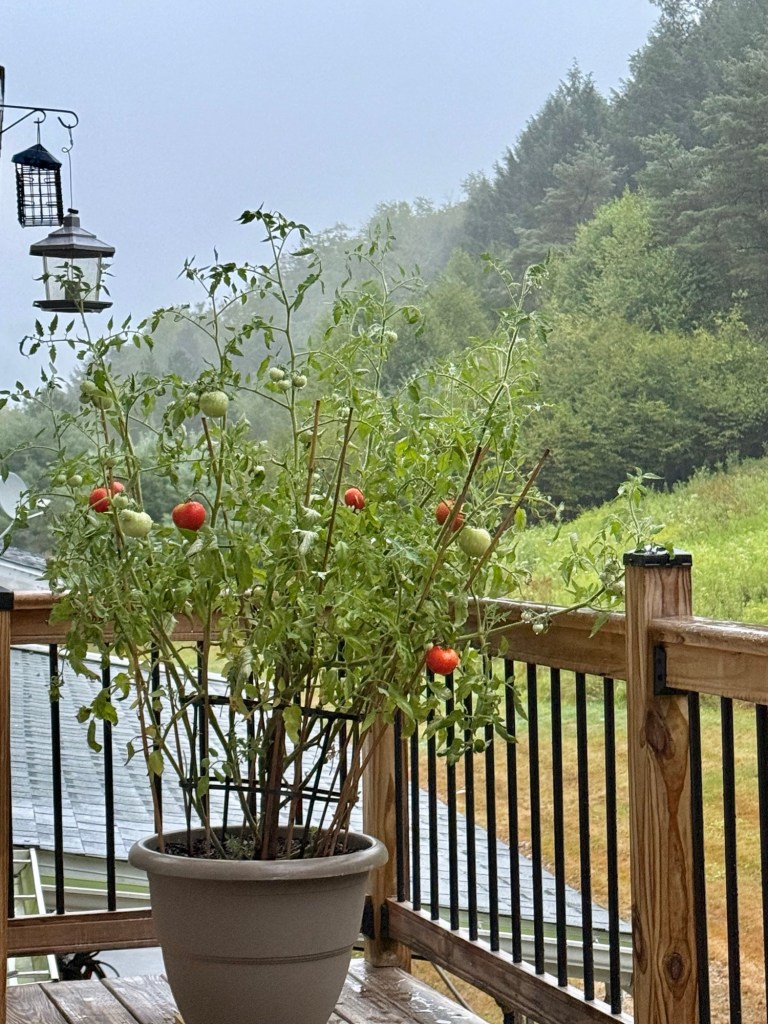
No tomato lasted the winter unless it was stewed.
No culture survived conquest unless it was ritually repeated, stored in silence, or tucked into the cool dark places of memory.
What salt is to meat, continuity is to a people. Without it, things decay.
Cultures, like sausages, are fragile.
They rupture under pressure.
They spoil when exposed too quickly to open air.
Today, we’re told to open everything—to expose tradition to the “fresh air” of critique and remix. But air, in the wrong dose, is just rot.
Nicola Twilley’s Frostbite shows how refrigeration allowed empires to stretch food—and influence—across vast distances. I don’t disagree. But long before cold chains and global markets, people relied on emulsions, infusions, and intuition—fat, fiber, and faith—to make things last.
Examples abound:
Norwegians used lye to preserve cod, creating lutefisk.
Jewish scrolls preserved identity across diaspora.
Ethiopian injera starters were passed from mother to daughter like edible heirlooms.
Appalachian families stored sorghum syrup in clay crocks for the lean months.
Sicilian fishermen packed anchovies in salt and patience.
Native tribes mixed dried venison, fat, and berries to create pemmican—a nutrient-dense memory sealed in meat.
Even now:
Homesteaders vacuum-seal family recipes.
Diaspora communities dehydrate ancestral herbs, chanting prayers over the powder.
Grandmothers mail fermented jars of meaning across state lines.
A folklorist records slaughterhouse songs on tape and buries them like time capsules.
Monks digitize Gregorian chants onto silica crystals—a spiritual jerky, built to endure solar flares.
Each method is different. But the message is the same:
Preserve it—or you lose it.
🍅 Canning as Conservatism
The mason jar is not just a relic. It’s a metaphor.
When our grandmothers sealed the tomatoes in August, they were participating in the same logic that once sealed off monasteries from the chaos of empire. They preserved not just sauce, but sufficiency. They knew winter would come. They planned for it—not with utopian schemes, but with jars, salt, and silence.
Twilley’s cold chain has no seasons. It is uninterruptible. But we were once taught interruption—through Lent, or drought, or distance. That interruption taught us restraint. And from restraint, memory.
A Hutterite communal cellar.
A Korean onggi jar buried in soil.
A Pennsylvania Dutch smokehouse.
A cedar plank hung with salmon on the Pacific coast.
A Cherokee dried corn soup, waiting in bark baskets.
A Tamil spice mix pounded and preserved in oil.
Each is a recipe of resistance, encoded with both survival and savor.
That is what we at the Council propose today: not exclusion, but containment. Not stagnation, but storage. A willful slowing down of decay by respecting the ancient seasons of being.
Race: The Forgotten Ferment
To speak of race today is to risk social spoilage—but race, like food culture, is not only about purity. It is about process: time, pressure, locality, repetition. A people’s way of preserving itself—through ritual, lineage, and memory—develops slowly, like a good ferment.
Interrupt the process too soon and you don’t get synthesis.
What results is not fusion, but fizzless forgetfulness.
Creole is a recipe—layered, inherited, adjusted for season and scarcity.
Ashkenazi is a spice cabinet that survived pogroms—stocked with dill, clove, and endurance.
Scots-Irish is a smoke ring still visible on the soul of the Appalachian Mountains.
Japanese pickling and fermentation traditions encode the very seasons of the archipelago.
French Canadian maple sugar rituals are genealogical rites—not just desserts.
These aren’t abstractions. They’re foodways, memory trails, living symbols—preserved not by law or ideology, but by salt, repetition, and time.
To protect cuisine while discarding the cultures that created it is to pickle the fruit and burn the tree.
Final Note from the Root Cellar
Some will call this reactionary.
So be it.
History’s real progress has often come from those who said “not yet” to the rot.
Nicola Twilley showed me how refrigeration changed the world. I thank her.
But somewhere between her cold chain and my moss-covered back, I choose the root cellar. Not because it’s better, but because it remembers.
I write this from my symbolic post: knee-deep in the stream of modernity, facing the current, moss gathering where it must. A root cellar, after all, is not nostalgic. It is an act of faith in the future—founded on the wisdom of the past.
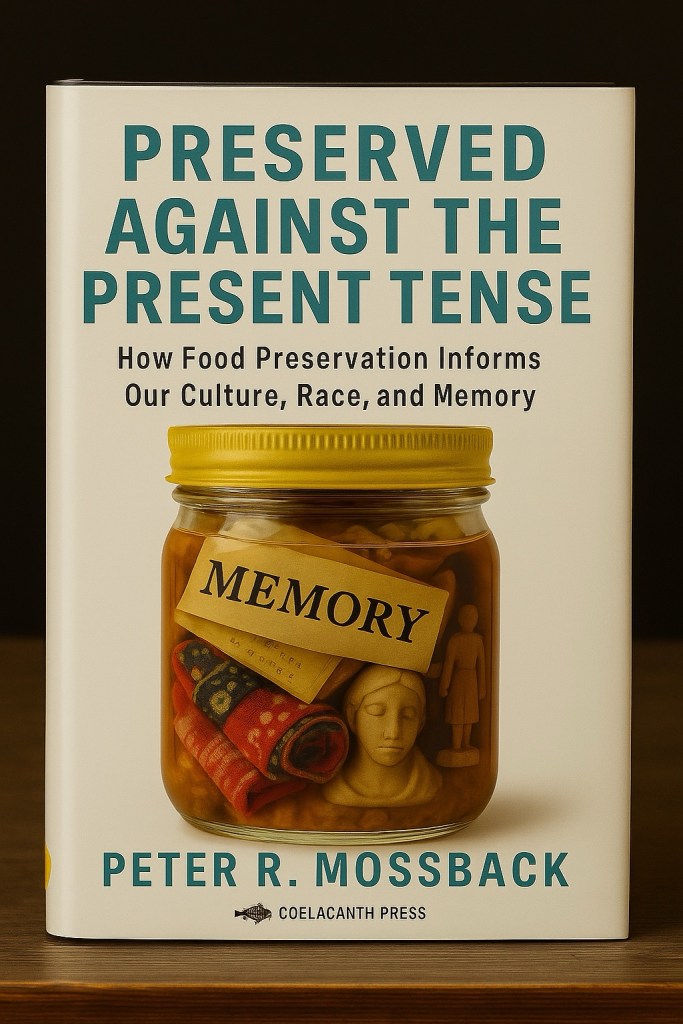
This reflection is excerpted and adapted from a proposed book of the same name —
(Cover design forthcoming; see below for Council preview image.)
Pickle your memories. Cure your convictions. And store your culture as if winter were coming—because it always is.
—
SOURCECODE: Frostbite: How Refrigeration Changed Our Food, Our Planet, and Ourselves by Nicola Twilley, 2024
 COUNCIL-OF CONCERNED-CONSERVATIONISTS…..Between Jest And Earnest…..
Leave a comment