—BOOK NOTES
—A notice of upcoming titles from Coelacanth Press, along with reports on noteworthy books we’ve stumbled across that—somewhat inconveniently—have already been written.
This story may also qualify for our other column, SIGNS AND WONDERS, though it arrived disguised as a routine book hunt.
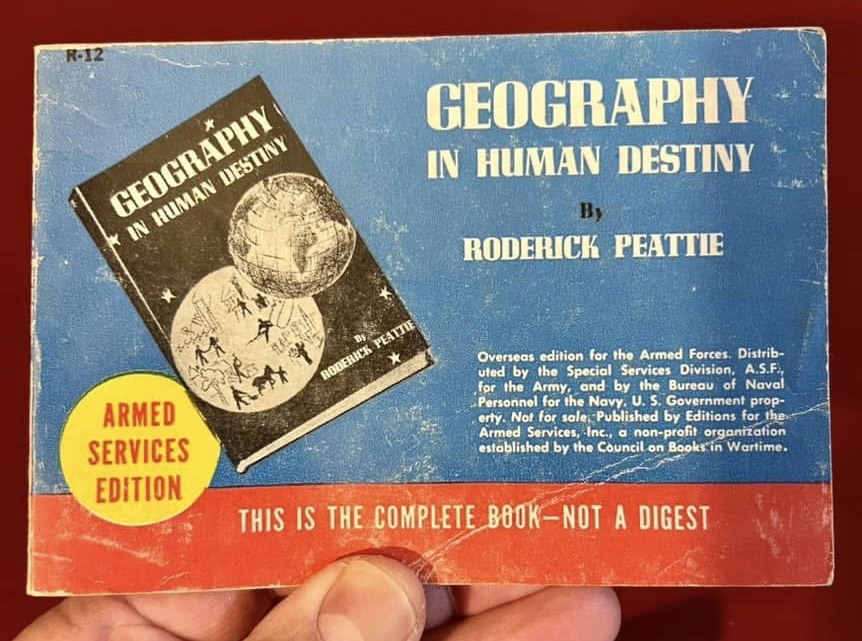
For some time we had been searching for an affordable hard copy of Geography in Human Destiny. We distinctly remember seeing it in Waldenbooks more than half a century ago. It always tugged at our curiosity, but, like many books that wait patiently on shelves, it was never read.
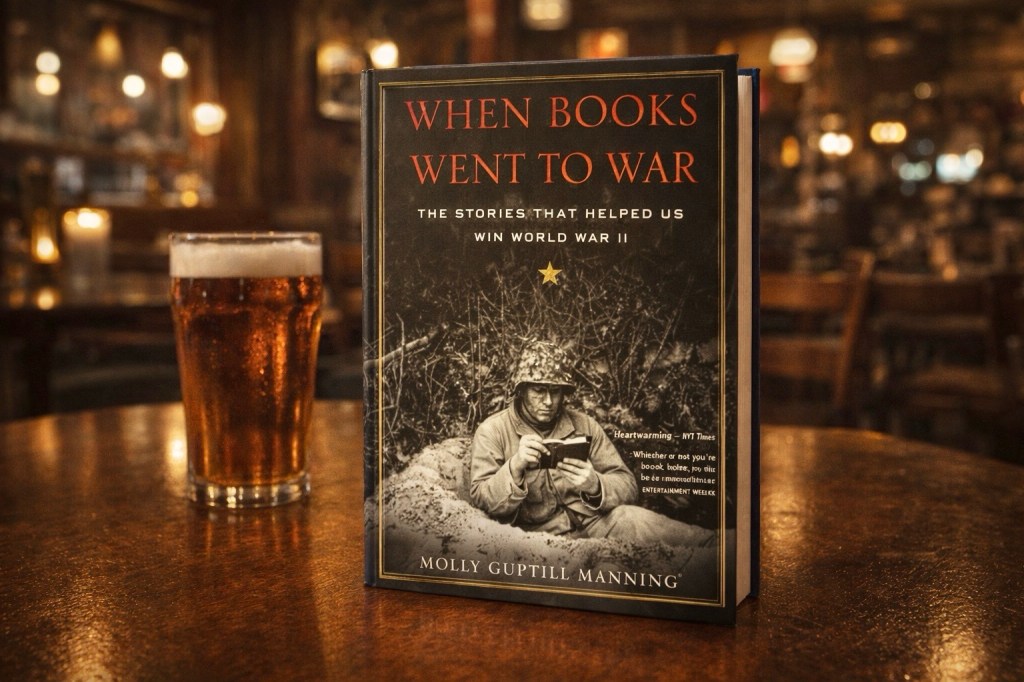
As is fitting at Coelacanth Press, we harbor a particular fascination with books about books. That inclination recently led us to When Books Went to War: The Stories That Helped Us Win World War II by Molly Guptill Manning, which we acquired for a few dollars—a mint-condition hardcover that apparently no one else wanted. Their loss.
Manning’s book is an in-depth and surprisingly moving account of the Armed Services Editions (ASE): paperback books specially produced and distributed to U.S. military personnel during World War II. Millions were printed. The format was ingenious—shorter and wider than conventional paperbacks, designed to fit neatly into a uniform pocket or pack, and printed on lightweight magazine stock so they could be carried anywhere, bent, weathered, and read to pieces without becoming a burden.
These books offered something essential: escape. From boredom, from fear, from endless waiting, and from the grinding sameness of military life. In the absence of modern entertainment— especially in the Pacific Theatre with no portable music and little radio—books became precious. ASE volumes were eagerly anticipated, fiercely traded, and often read to tatters.
The curators behind the program took their task seriously. The range of titles was astonishing: pulp novels, literary classics, technical manuals, political works, poetry, humor, and nonfiction of all kinds. High and low culture marched side by side.
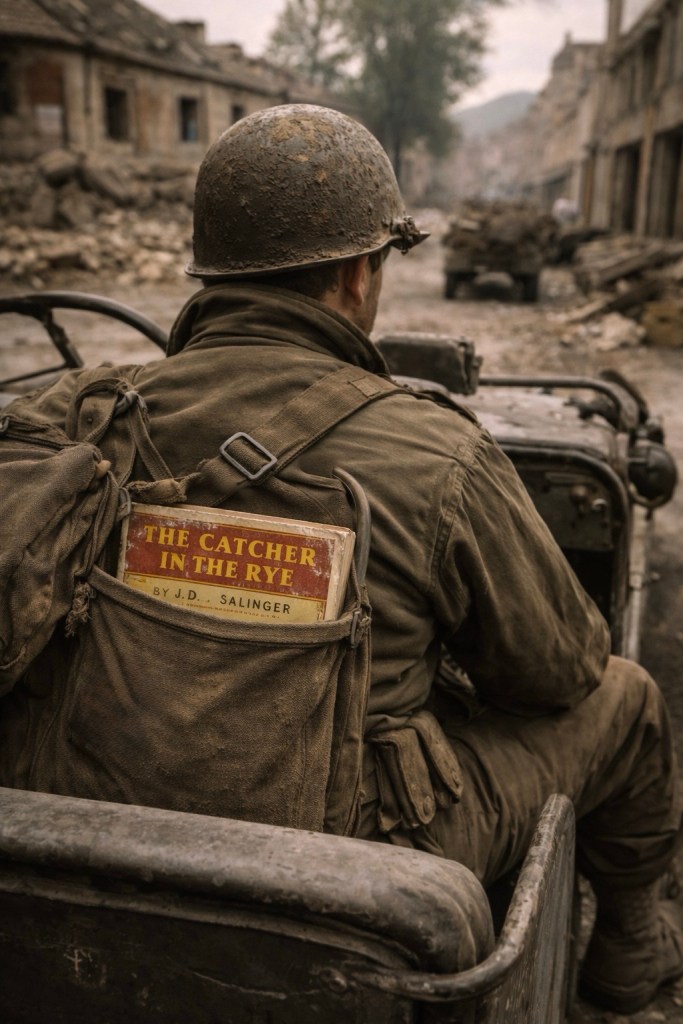
One of the most popular titles was A Tree Grows in Brooklyn, cherished for its nostalgic evocation of home—no mystery there, given the youth and distance endured by many servicemen. A book called, Strange Fruit, was also much in demand, partly due to its racier passages, to the ongoing discomfort of those responsible for approving the selections. Boys, as they say, remained boys—even in uniform.
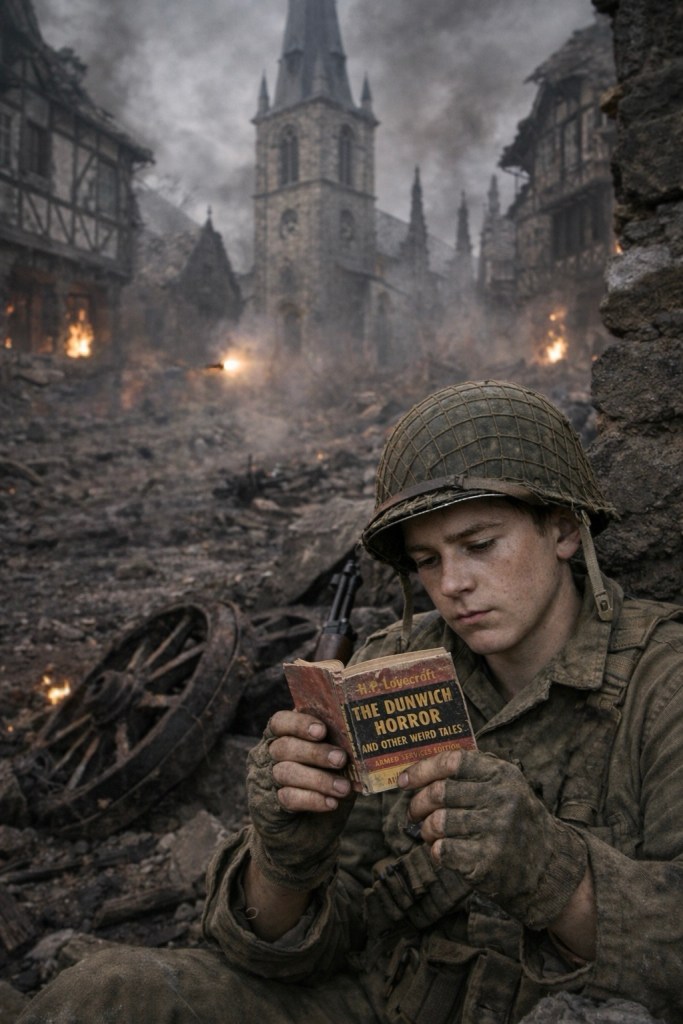
More surprising was the inclusion of H. P. Lovecraft’s The Dunwich Horror and Other Weird Tales, printed as an ASE in 1945. One wonders who, while living amid real horror and strangeness, chose to read fictional versions of it. Perhaps such tales found a more enthusiastic audience among the rear echelon than at the front, where the uncanny was already all too present.
It is widely believed that The Great Gatsby finally achieved its lasting popularity through exposure in these pocket-sized wartime editions—proof that sometimes a masterpiece only needs the right delivery system.
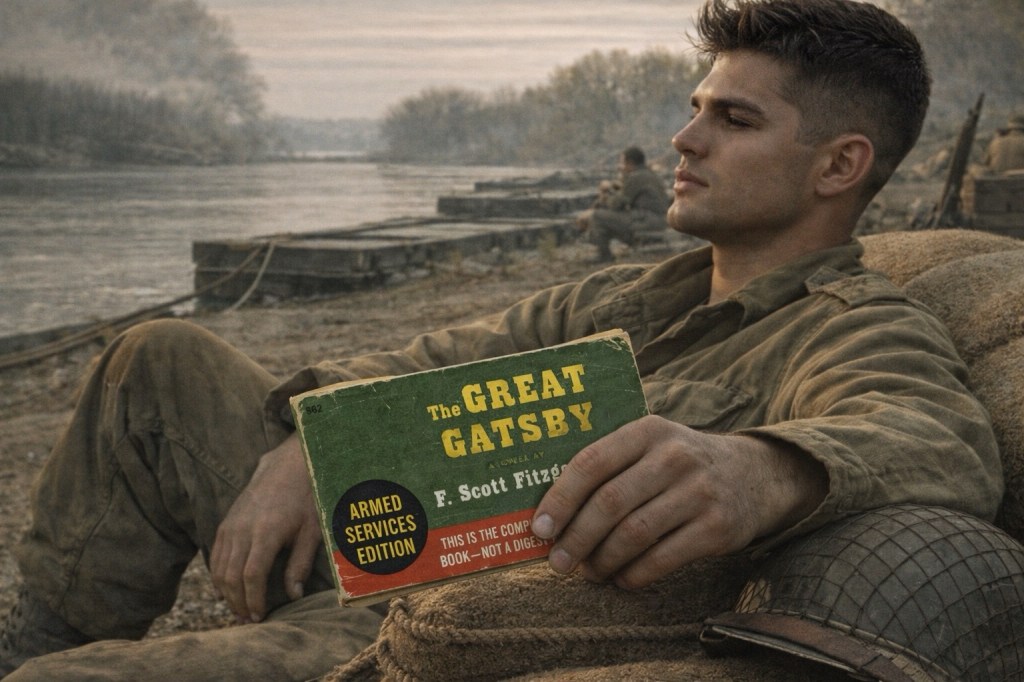
When pallets of ASE books arrived—especially on remote Pacific islands where entertainment was scarce—soldiers and sailors would line up. The books were read, passed hand to hand, traded, hoarded, and occasionally sold when a particular title became rare or coveted.

The Armed Services Editions remain a little-known chapter of the war: a small detail, perhaps, but a meaningful one. An example of how culture travels, survives, and quietly does its work under extreme conditions.
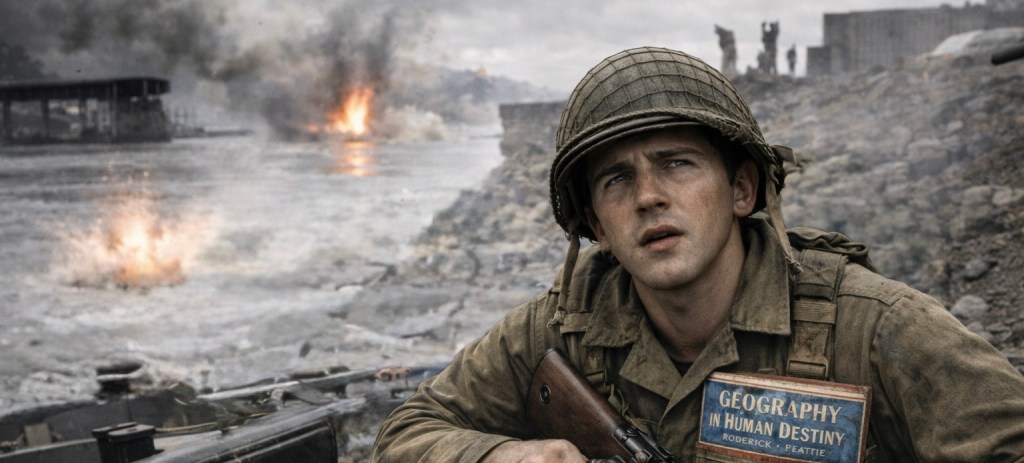
Arthur C. Clarke famously said, “Any sufficiently advanced technology is indistinguishable from magic.” When we later searched for a physical copy of an ASE volume to purchase, we were startled to find Geography in Human Destiny at the very top of the results on eBay. We made a lowball offer, half in jest—and won the auction. The cost: eleven dollars.
Was this coincidence? Or was it the algorithm, benevolent and inscrutable, placing the long-sought book into our hands? It felt a little wondrous. And then again, so does any sufficiently advanced technology. Still, we allow ourselves the pleasure of wondering.
— Paige Turner
C-of-C-C Newsletter, Sub-Sub Librarian
(Armed Services Editions measure approximately 3⅞” × 5½”.)
++++++++++++++
+++
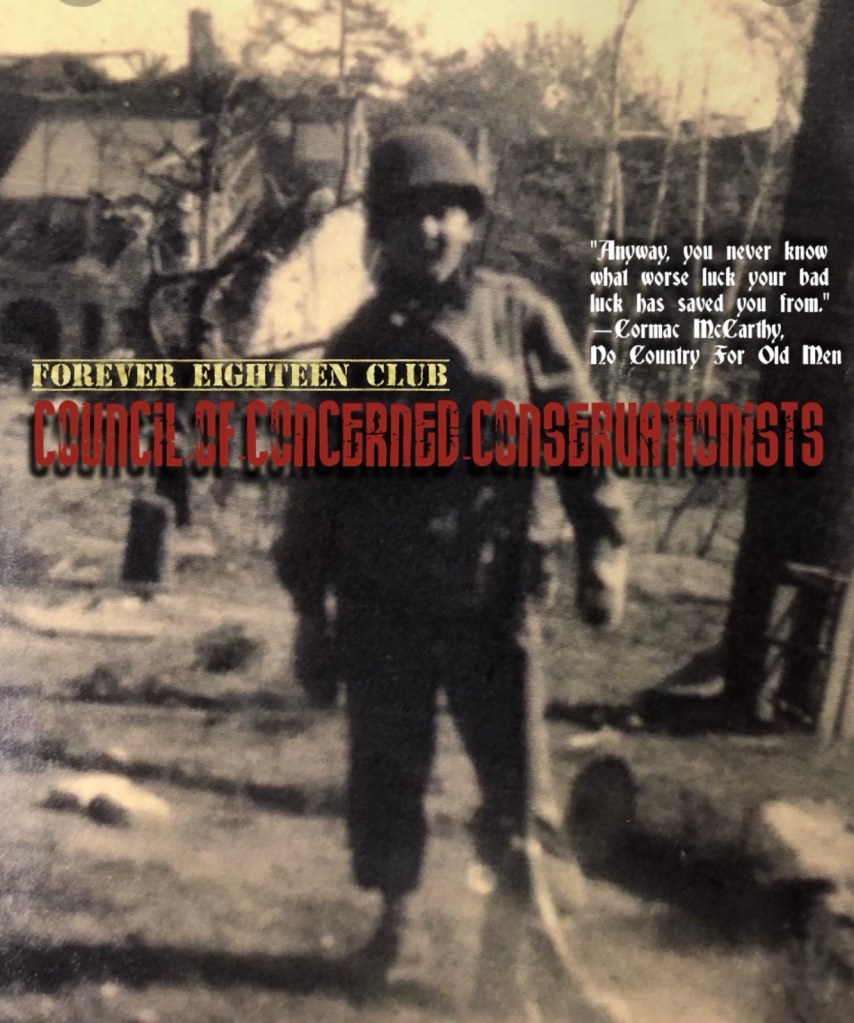
(The so-called “Forever Eighteen” club was a grim bit of wartime gallows humor for those killed before they ever saw nineteen).
 COUNCIL-OF CONCERNED-CONSERVATIONISTS…..Between Jest And Earnest…..
Leave a comment