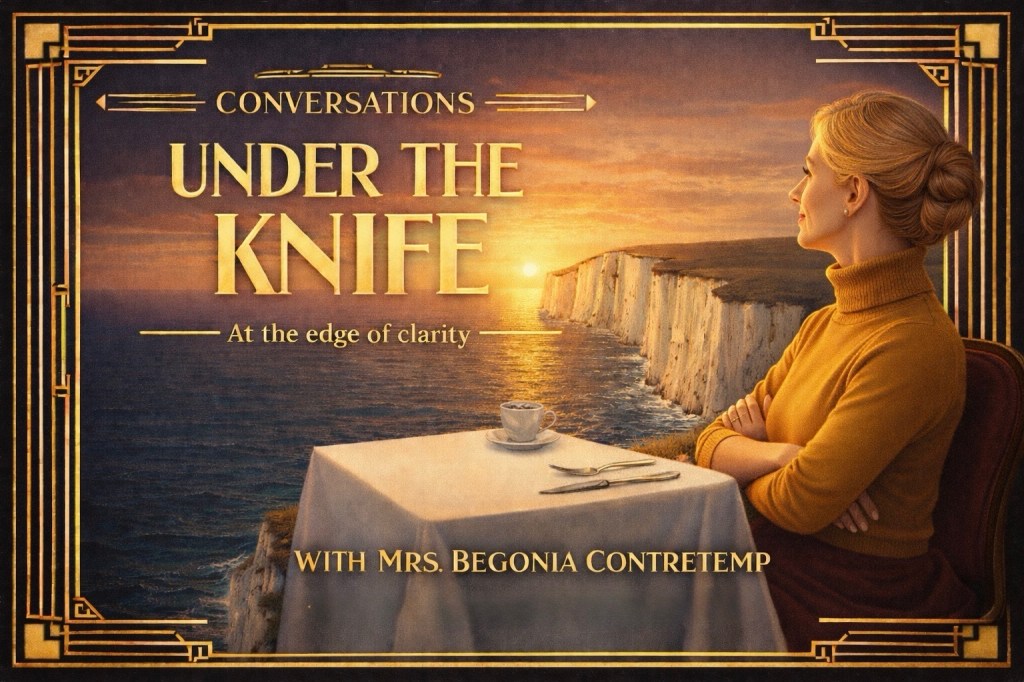
—This Evening’s Guest: C-of-C-C Occulture Expert, Mason Freeman
—Theorizing On Conspiracy, L’Affaire Epstein, and the Supposed Failure of Antique Myths
(Recorded for the Council-of-Concerned-Conservationists archives)
MRS. BEGONIA:
You’ve been unusually restrained lately, Mason. That generally suggests you’re watching something embarrassing repeat itself.
MASON FREEMAN:
I’m watching very old ideas attempt to pass themselves off as contemporary analysis.
MRS. BEGONIA:
Epstein.
MASON:
Epstein.
MRS. BEGONIA:
People insist the files “confirm what we always suspected.” That phrase alarms me. It smells of someone’s tradition.
MASON:
It is a tradition. Specifically, antisemitic tradition—repurposed, secularized, and smuggled back in under the banner of skepticism.
MRS. BEGONIA:
Really? Let’s be precise. Which traditions are you talking about?
MASON:
The classics.
The blood libel.
The financial puppet-master.
The secret network.
Each one has made a bid to colonize the Epstein files.
MRS. BEGONIA:
Start with the most obscene.
MASON:
The blood libel.
Historically, it framed child abuse as ritual—violence endowed with metaphysical purpose. In the Epstein discourse, we see its modern cousin: abuse reframed as “ritual,” “signal,” or “initiation.” Crime is no longer crime; it becomes symbolic evidence of an unseen order.
MRS. BEGONIA:
And the files themselves?
MASON:
They refuse the myth. They describe abuse as repetitive, banal, opportunistic—grooming, payment, silence, protection. Even the so-called “code words” that obsess readers—pizza, hot dogs, beef jerky—appear not as occult symbols but as the clumsy, juvenile euphemisms of people trying to disguise the obvious. They show up with a frequency and awkwardness no normal conversation would tolerate, which is precisely the point: not secret theology, just bad concealment. No symbolism. No ritual. Just logistics, incompetently veiled.
MRS. BEGONIA:
Which makes the myth restless.
MASON:
Because myth needs meaning. The files supply only mechanism.
MRS. BEGONIA:
And money.
MASON:
The second trope. Jews as financial sorcerers—an inheritance from centuries of exclusion dressed up as insight.
The Epstein files contain money everywhere: banks, shell companies, settlements, donations. But the money moves through ordinary legal channels. It buys lawyers, discretion, delay. Nothing mystical. Just insulation.
MRS. BEGONIA:
Which should invite accounting.
MASON:
Instead it invites incantation. “Follow the money” becomes a slogan, not an instruction. Once wealth itself is treated as proof, the trail no longer needs to be followed.
MRS. BEGONIA:
And finally, the network.
MASON:
The most durable fantasy.
Historically, the secret cabal explained why the world felt ungovernable. In the Epstein files, there is a network—but it is neither unified nor hidden, and it has no shared ideology. It consists of recognizable roles performing familiar functions: a social facilitator who recruited and smoothed access; lawyers who negotiated leniency and managed exposure; pilots whose flight logs show routine transport rather than secret rites; financiers who provided money, legitimacy, or insulation; politicians and public figures whose proximity conferred status; and institutions—media, legal, philanthropic—that chose discretion over scrutiny. These people appear not as occult coordinators, but as acquaintances, contacts, and enablers of convenience. The files show influence operating through proximity, reputation, and silence—not command, ritual, or conspiracy
MRS. BEGONIA:
A network of incentives, not allegiance. How boring.
MASON:
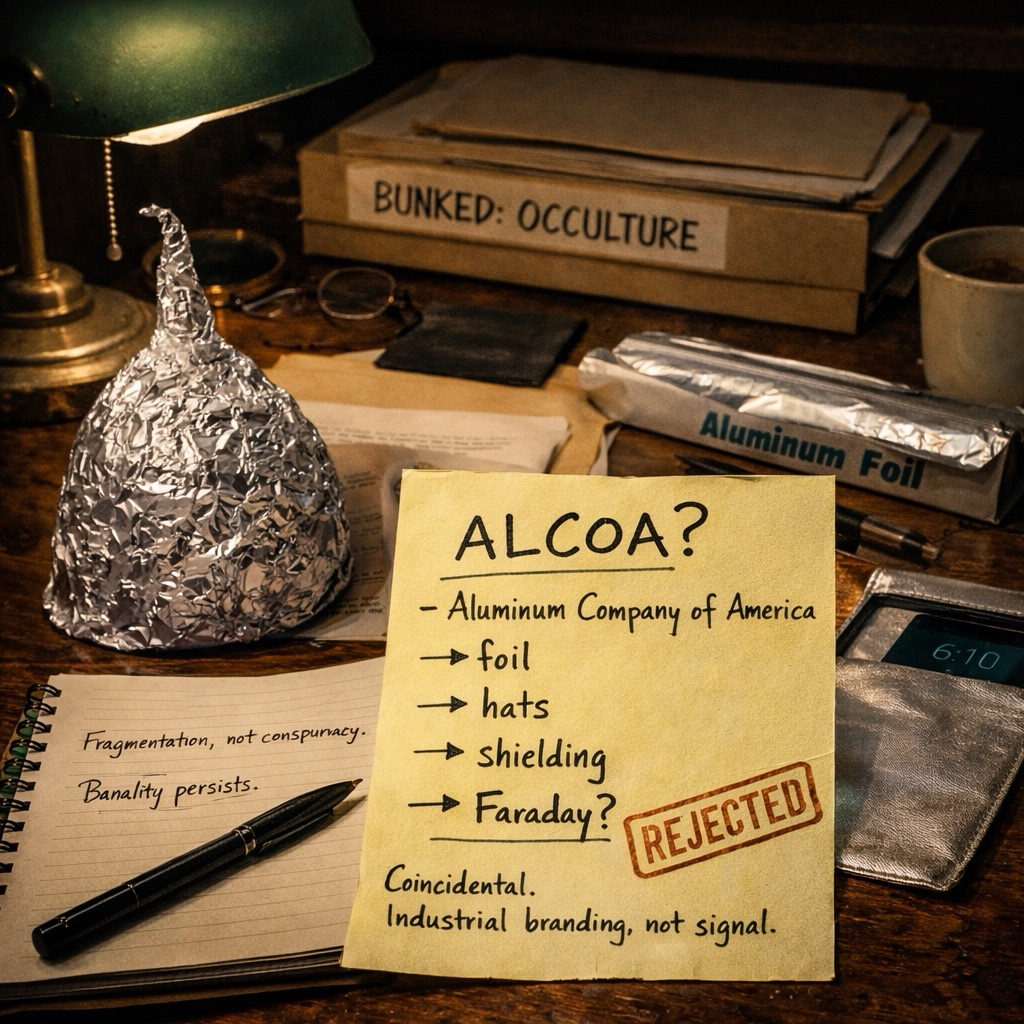
Exactly. Fragmentation, not conspiracy. The jejune and the parochial, not coordination—suburban euphemism standing in for criminal intent: pizza, hot dogs, beef jerky used with a clumsy excess no ordinary conversation would bear. One is left to suspect that this language did not merely disguise abuse but reflected the environment around it—that alongside the crimes, there were also gatherings indistinguishable in tone from suburban routine: dinners, drinks, the familiar small talk of comfort and normalcy. Not ritual. Not cabal. A crime embedded in banality.
MRS. BEGONIA:
Yet people insist the files prove the old stories.
MASON:
Because the old stories are easier to live with. They transform institutional failure into cosmic drama. If Epstein is the face of an ancient, hidden evil, then prosecutors, media organizations, and social institutions need not be examined too closely.
MRS. BEGONIA:
Myths are excellent at laundering responsibility.
MASON:
That is their enduring utility.
MRS. BEGONIA:
And your so-called Anti-Antisemite’s Mastermind Plot?
MASON:
If one wished to discredit antisemitic tropes permanently, one would insist they explain the Epstein files literally. Make them account for plea agreements, flight logs, sealed documents, and institutional delay.
They cannot survive that demand. These are Bronze Age explanations trying to pass a modern audit.
MRS. BEGONIA:
So the files don’t revive antisemitism.
MASON:
They expose its inadequacy. The files point not to mythic villains, but to visible systems that chose not to act.
MRS. BEGONIA:
Which is far less flattering.
MASON:
And far more damning.
(A pause.)
MRS. BEGONIA:
Mason, indulge me. You keep telling me these tropes have “changed function.” That they’re anachronistic, repurposed, no longer explanatory.
But if they’re still being used—badly, destructively, and everywhere—what is the difference?

Pardon the gesture—picked it up from Italians I knew in Scotland.”
MASON:
The difference is—
MRS. BEGONIA:
—academic.
If medieval blood libel and modern insinuation arrive at the same destination—abstraction, suspicion, and the evasion of responsibility—then the update doesn’t impress me.
Meth with a new label is still meth.
MASON:
You’re saying the mechanism has modernized, but the effect hasn’t.
MRS. BEGONIA:
Precisely. The files demand clarity. The tropes—old or new—still replace clarity with intoxication.
(She sets the knife down.)

MRS. BEGONIA:
So let’s be honest in our filing. This isn’t an obsolete myth struggling to adapt.
It’s a habit.
And habits don’t die just because they’ve learned new language.
(End of transcript.)
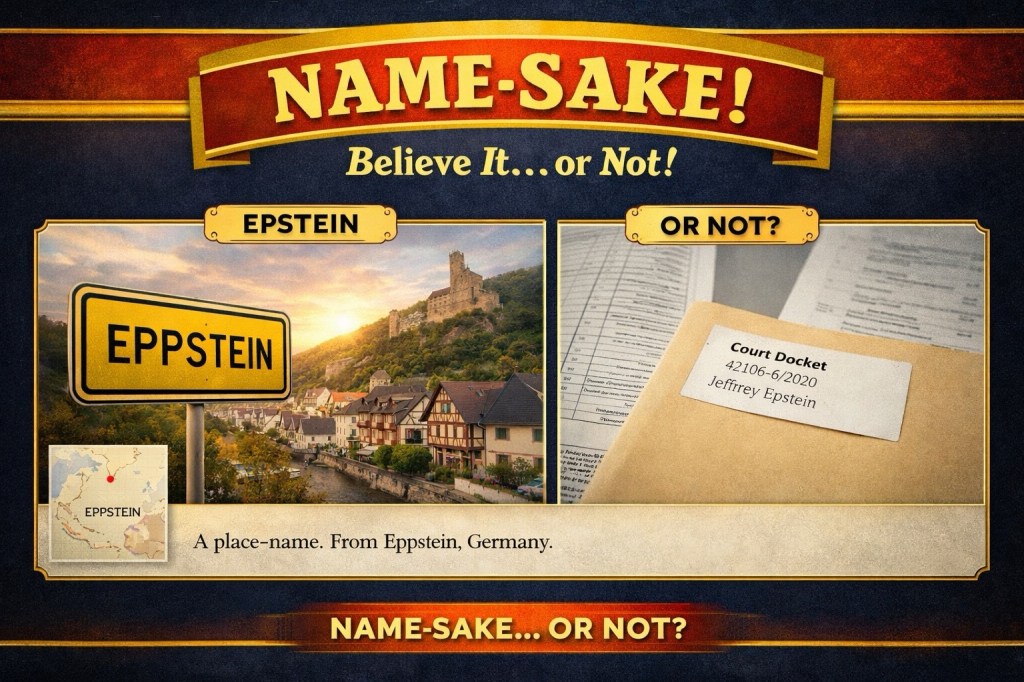
Banality confirmed.
From Old French banal (“subject to the ban; common, obligatory”),
from ban (public proclamation, shared duty).
Meaning: ordinary by design, not destiny.
*More Conversations Under The Knife with Mrs Begonia Contretemp
 COUNCIL-OF CONCERNED-CONSERVATIONISTS…..Between Jest And Earnest…..
Leave a comment