—Filed by The Accidental Initiate
I didn’t start the morning intending to learn anything.
The song Daisy Jane was just floating in like it used to—uninvited and unexamined, a soft-rock wisp from my younger years. Back then I barely heard it; maybe I wasn’t ready. Some songs wait until you’ve lived enough life to inhabit them.
But there on YouTube, for the first time, I noticed the label:
Produced by George Martin.
And that elegant piano —spare, precise, almost courtly—was his as well.
Suddenly, the whole song reoriented itself. The melancholy wasn’t just sadness; it was taste. It was craftsmanship. It was the emotional grammar of a man who carried himself with a subtle aristocratic bearing.

(Recollected from a documentary; quoted from memory)
The Presence Behind The Board
Composer Jimmy Webb once described George Martin as:
“A silver-haired gentleman… speaking softly yet firmly, radiating confidence and trustworthiness… erect and noble.”
He wasn’t literally an RAF pilot, but he carried the bearing of one —the aristocratic carriage, the erect posture, the soft authority of a man shaped by a world that demanded composure.
When I heard the song again with that in mind, it was like discovering a hidden subfloor—an elegant structure beneath the melody.
Music shaped by refinement, not roughness.
What struck me isn’t only Martin’s role on Daisy Jane.
It’s that this refined sensibility—this chamber-music intelligence—also appears elsewhere in the era’s music, sometimes in places not so far removed from George Martin.
And that’s when my mind made the second leap:
The first James Taylor Apple album—the one with those beautifully constructed interludes and bridges—also carries this same aristocratic musical taste, even though George Martin had nothing to do with its creation.
Different personnel.
Different provenance.
But unmistakably the same musical temperature:
restrained rather than showy, architectural rather than impulsive, thoughtful, poised, almost courtly in its pacing, a kind of chamber music wearing denim rather than tails.
It’s as if two completely different projects reached for the same aesthetic altitude.
Not influence—resonance
This isn’t a case of George Martin influencing James Taylor’s team.
It’s something subtler:
two strands of music, made by different hands, both reaching toward the same refined, aristocratic clarity.
A sensibility born partly from Europe’s older musical traditions, partly from the postwar desire for order, and partly from the personal appetites of the musicians themselves.
The connection isn’t only genealogical.
It’s high in the atmospheric.
The Rediscovery
So there I was, rediscovering a song I once ignored, sensing another piece of the era’s soundscape glowing with that same refined aristocratic hue. Not because they were literally connected, but because they shared an emotional architecture that only becomes clear with time.
It leaves me with the unexpected comfort that began this whole accidental journey:
Refinement can arise in different places, from different people, without needing a single origin. But these influences happened to be British.
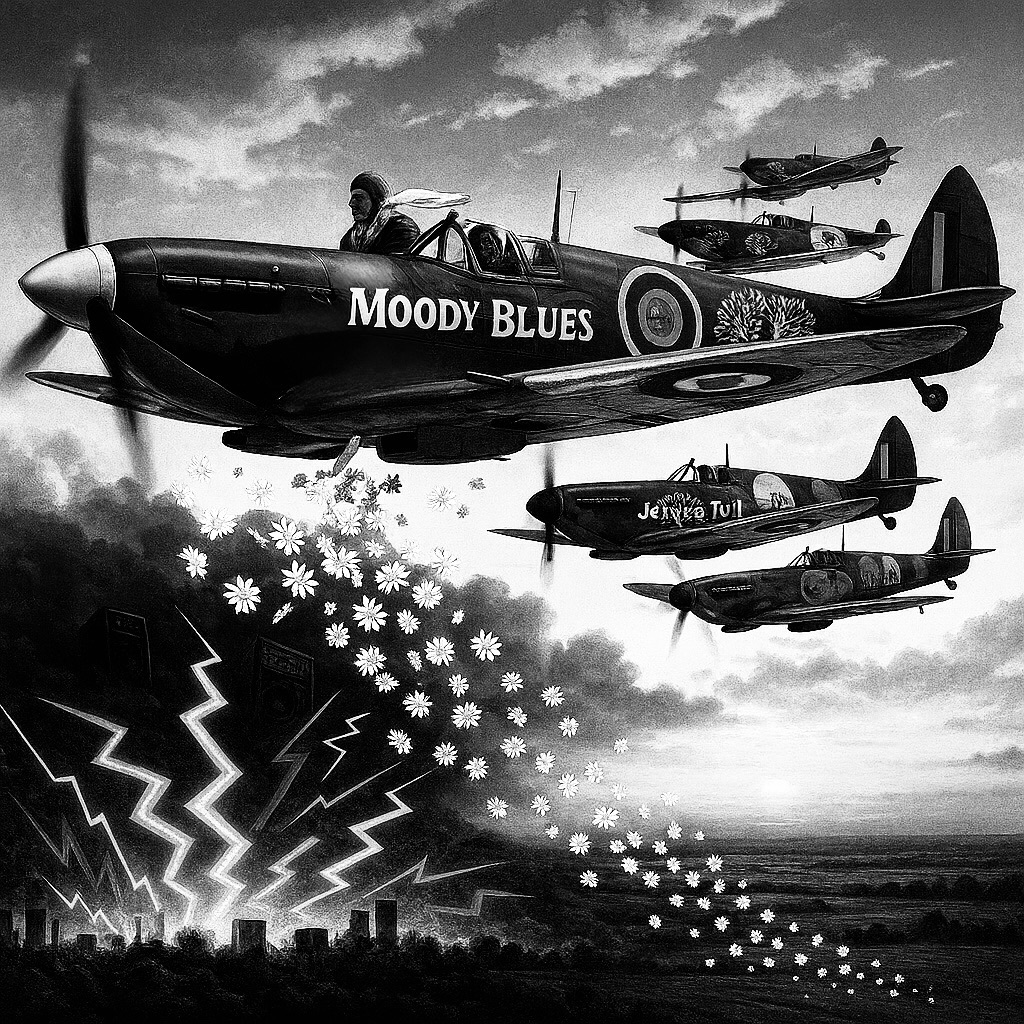
Sometimes taste itself is a quiet lineage.
And every so often, a song like Daisy Jane taps you on the shoulder and asks you to hear it again—with the ears you didn’t have the first time.
—Filed by The Accidental Initiate, whose late-blooming ears keep stumbling into long-overlooked beauty
**************
 COUNCIL-OF CONCERNED-CONSERVATIONISTS…..Between Jest And Earnest…..
Leave a comment