A Word Worth Bringing Back
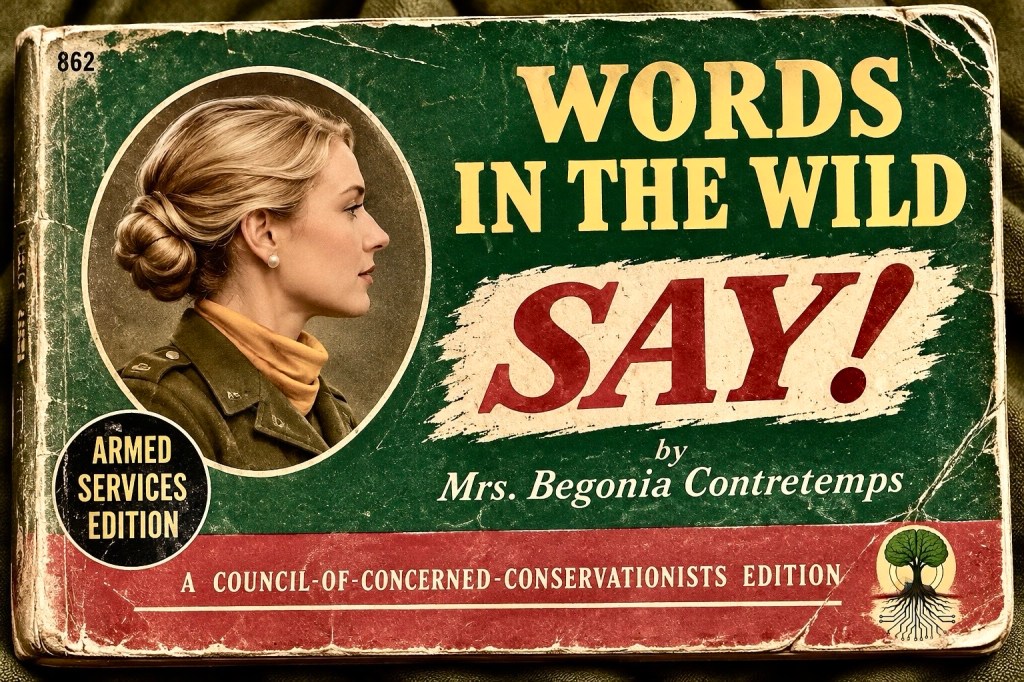
Say! Whatever happened to say?
There was a time when Americans routinely began sentences with that splendid little word.
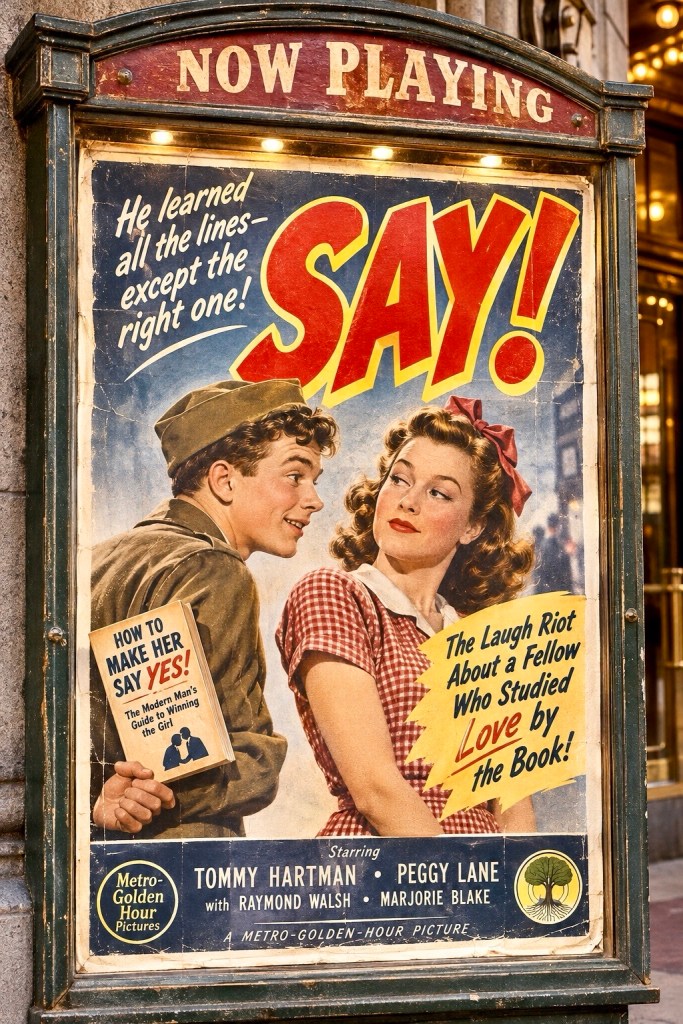
“Say, that’s a swell idea!” “Say, haven’t we met before?” “Say, what’s the big idea?”
It was everywhere in the American conversation of the 1930s and 1940s, especially in films and radio broadcasts. Today, one rarely hears it used that way.
Its linguistic designation is a discourse marker, more specifically an attention-getting interjection. It didn’t necessarily mean anything by itself. It announced that something was about to be said, often with a touch of surprise, enthusiasm, or curiosity.
Its conversational territory has since been occupied by hey, yo, and assorted other expressions that serve as verbal badges of tribal affiliation. I recognize them as the linguistic calling cards of other cultural tribes, but I see no reason why those of us belonging to the older European-American conversational tradition should surrender our own. Must every linguistic fashion require the extinction of its predecessor?
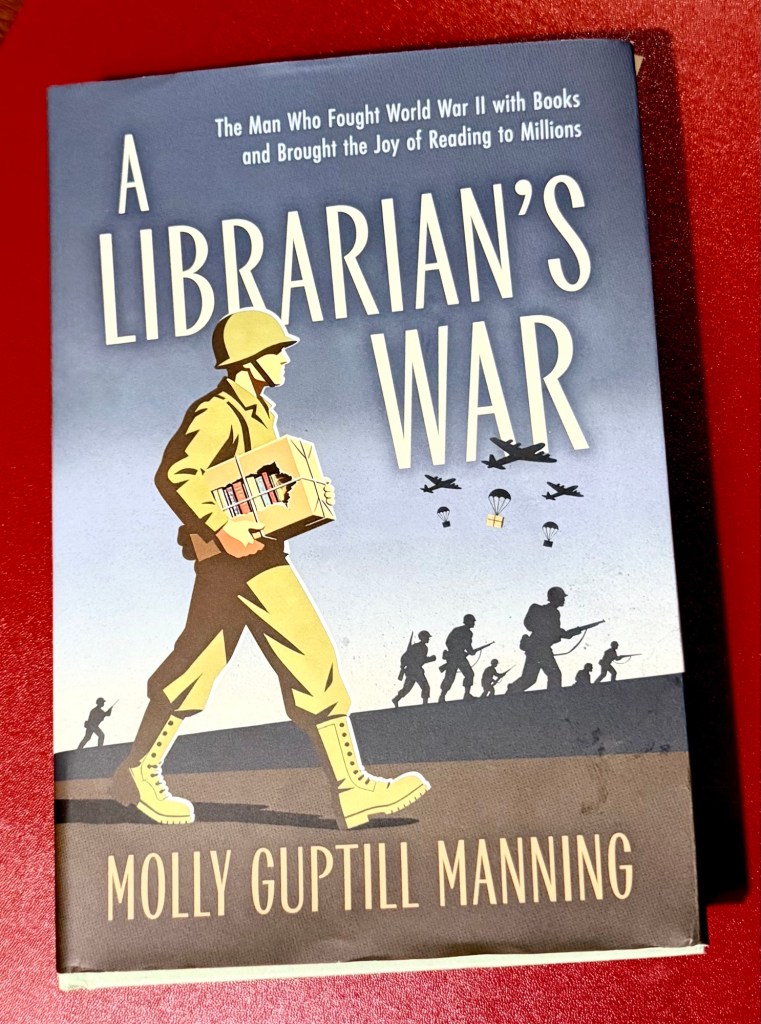
My interest was awakened by an extraordinary little incident recounted in Molly Guptill Manning’s A Librarian’s War, concerning the distribution of books to American servicemen during the Second World War. The incident involves Ray Trautman, a key figure in the development and design of the compact Armed Services Editions paperbacks, which became an indispensable source of entertainment, intellectual companionship, and morale for American troops serving far from home.
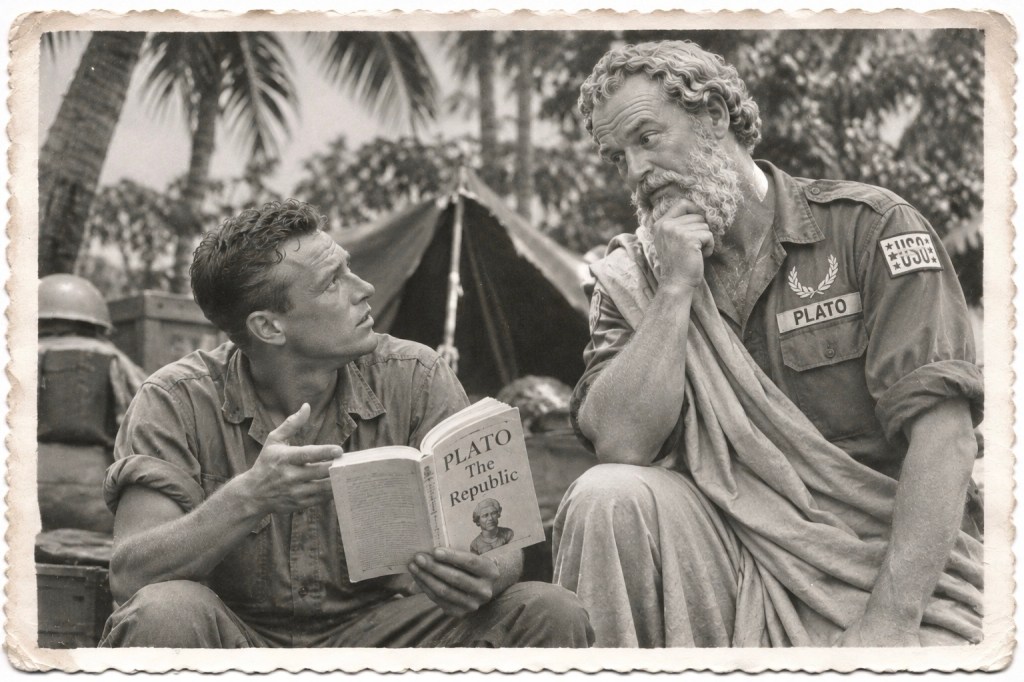
Lieutenant Colonel Ray Trautman, then the U.S. Army’s Chief Librarian, encountered a young American soldier reading Plato’s Republic in simplified English. The soldier, delighted with his discovery, reportedly exclaimed:
“Say this guy Plato is good! What else did he write lately?”
There it is! An ordinary American GI, encountering one of the founding philosophers of European civilization, greeted him with a thoroughly American SAY!
And having discovered Plato, he naturally wanted to know what the fellow had published recently.
I find the incident rather touching. Plato had been dead for more than two millennia, yet here was a young American treating him like a promising new author.
The expression say has a longer pedigree than its familiar appearances in American films of the 1930s and 1940s might suggest. Derived from the Old English secgan, meaning “to speak” or “to tell,” its use as an exclamation of surprise or an appeal for attention was already established by the early nineteenth century. By the time of our GI, it had become a familiar conversational opening: “Say, pal!” “Say, that’s something!” It invited attention, announced a discovery, or simply prepared the listener for what was coming.
Linguists call this a discourse marker. One of them, Laurel Smith Stvan, has even documented its decline in American speech and the arrival of hey and yo in some of its former territory. Apparently, I am not the first to notice its disappearance, although I may be among the few proposing its restoration.
Why not bring it back?
I therefore propose a modest campaign to restore say to its former conversational position. No legislation, no committees, no compulsory instruction. Merely the occasional deliberate use of a neglected word.
And should anyone question the enterprise, I shall remind them of that young American soldier who discovered Plato.
After all, if say was good enough to introduce Plato to an American GI, surely it is good enough for us.
Say, isn’t that worth considering?
— Mrs. Begonia Contretemps
C-of-C-C — Words in the Wild


Leave a Reply