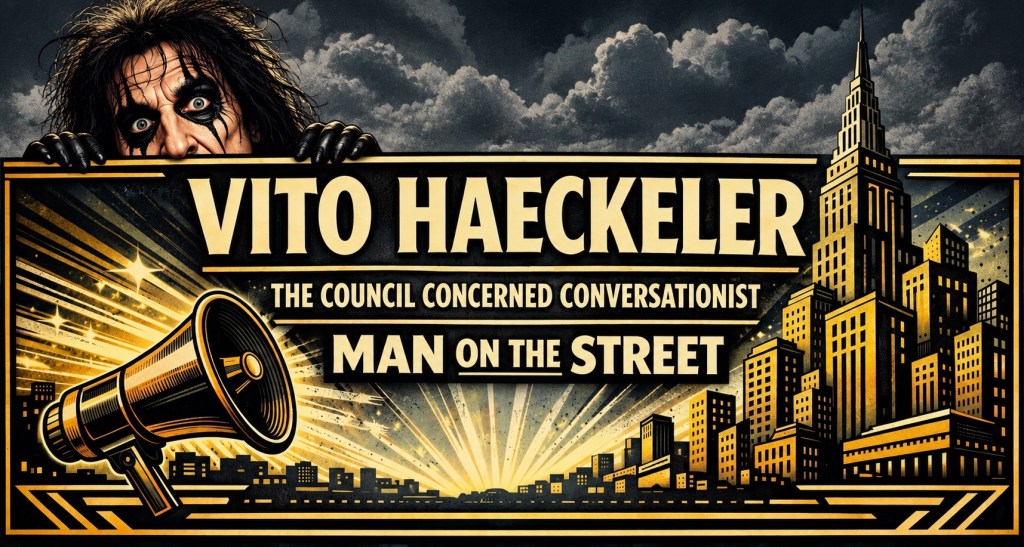
When Vito Haeckler was appointed chairman of his school district’s Multicultural Calendar Committee, he intended to do the job right.
“We got all kinds of people here now,” he told the committee. “If a day matters to somebody’s culture, we respect it.”
It seemed simple enough. It wasn’t.
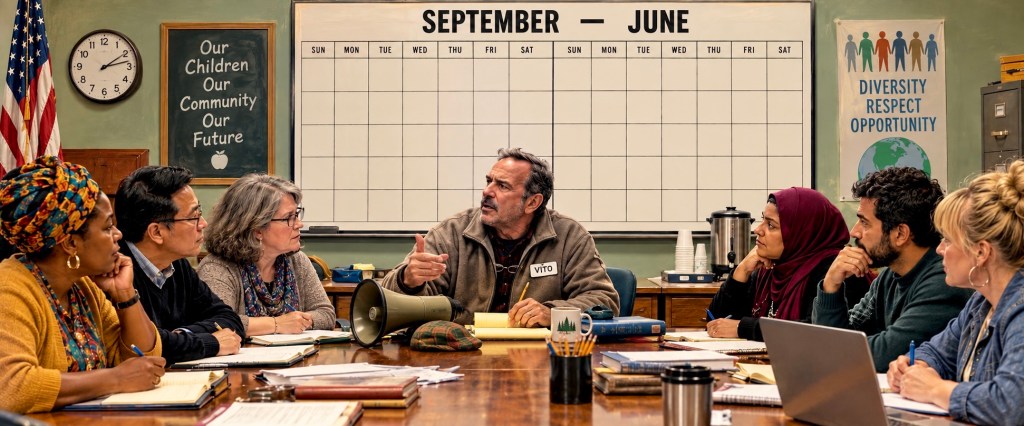
The first surprise was Japan’s Setsubun, when roasted beans are traditionally thrown to drive away demons and welcome good fortune. It wasn’t a school holiday, but cultural instruction, an assembly and supervised bean throwing would consume the day until after hirugohan : Lunch.
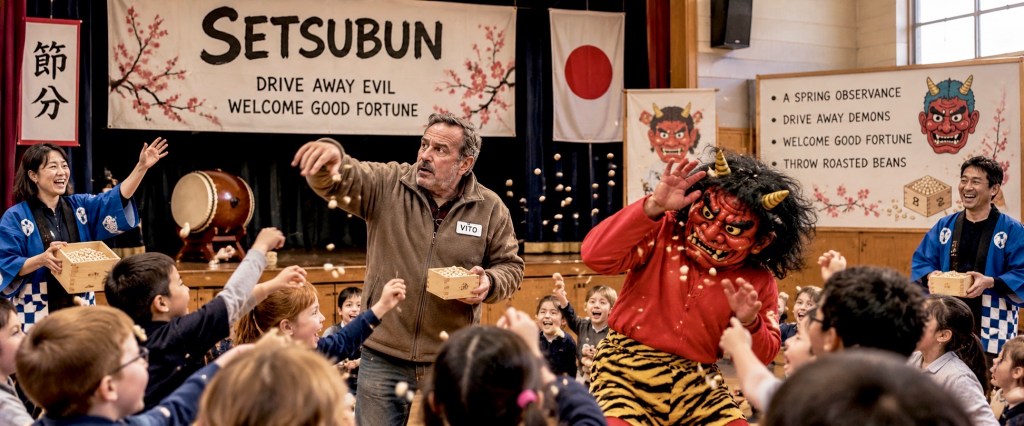
Vito put it down. Then the world arrived.
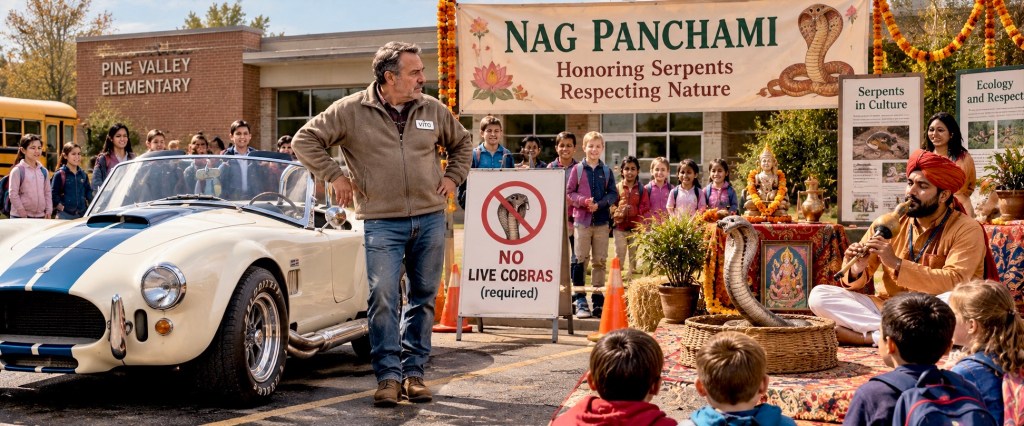
There was Nag Panchami, the Indian observance honoring serpents. The committee approved a full cultural-instruction day, although Vito moved that no live cobras be required. He was vetoed.
Bali contributed Nyepi, the Day of Silence, when an entire island traditionally goes quiet.
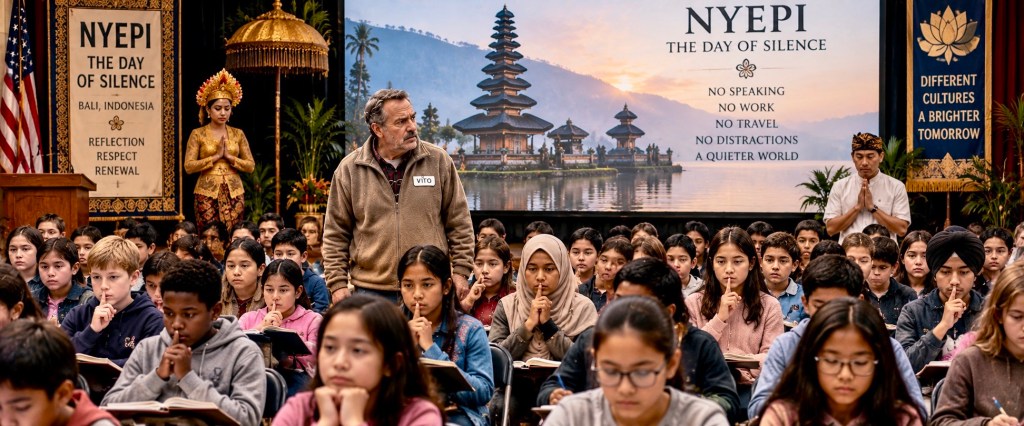
Vito stood silently. Then his eyes widened.
“Wait a minute. What about the Mummers? We got kids whose families march in that.”
Another day was gone.
Samoa brought White Sunday, devoted especially to children, followed in Samoa by a Monday public holiday.
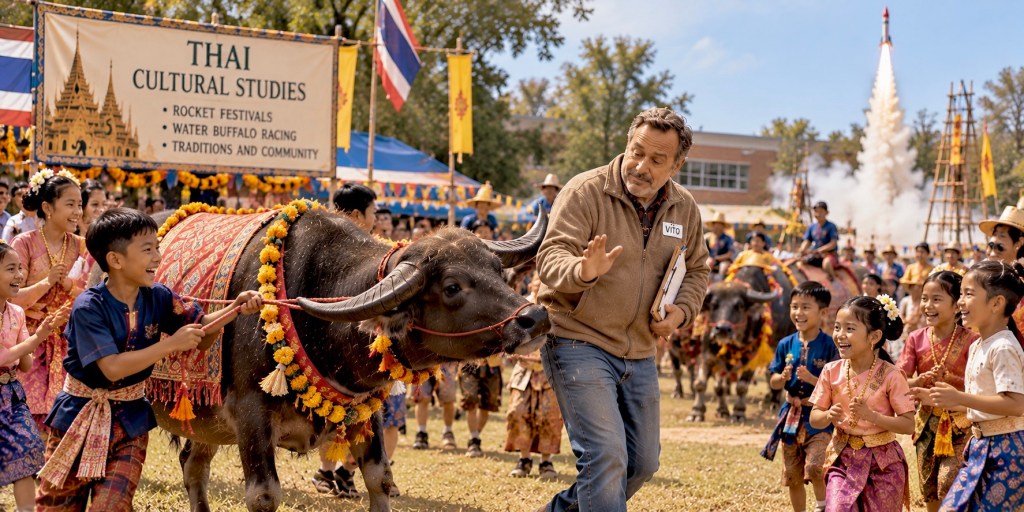
Thailand supplied festivals involving rockets and buffalo racing.
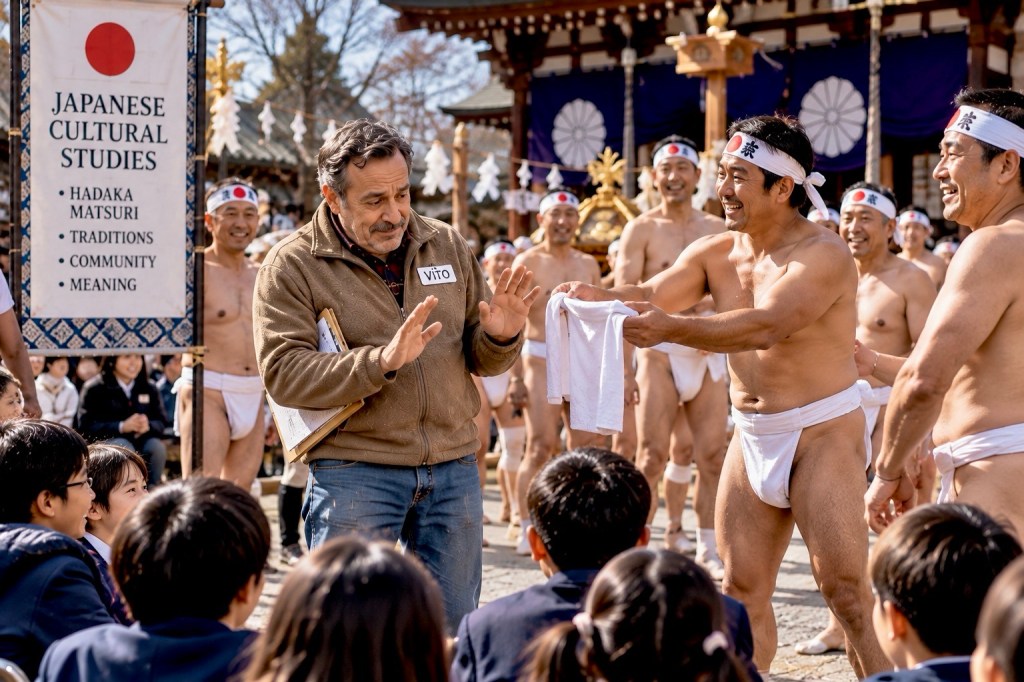
A Japanese representative mentioned the ancient Hadaka Matsuri, involving thousands of nearly naked men and the transfer of misfortune. Vito approved the instructional component but tried to draw a firm line at experiential learning.
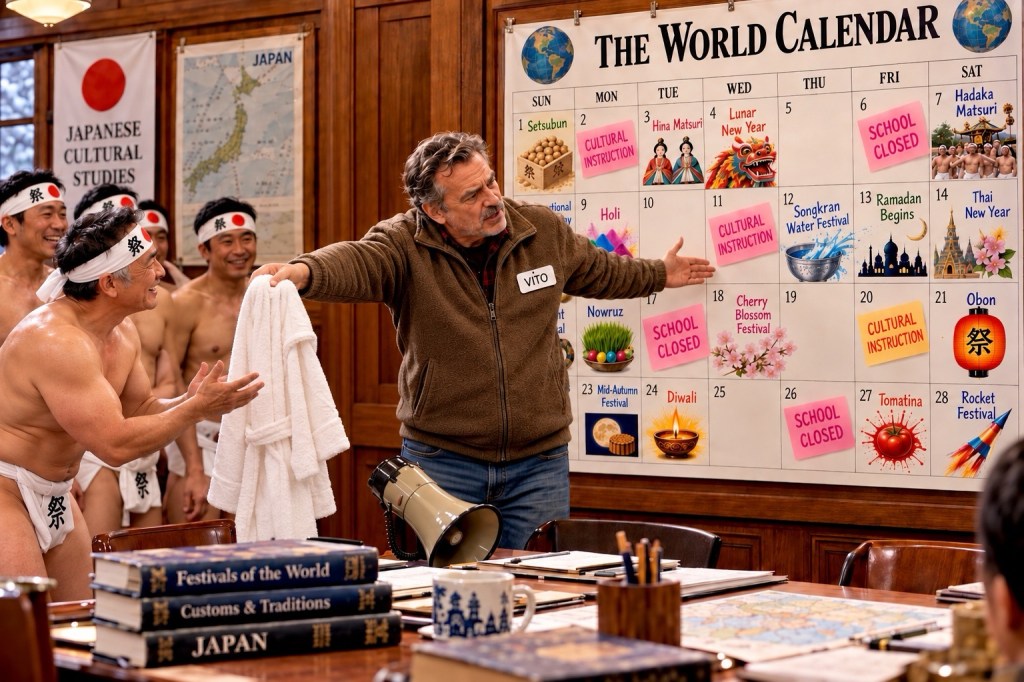
There were days involving water, snakes, ancestors, fasting, feasting, silence, noise, masks, spirits, unusual foods and New Years occurring at bewilderingly different times from the old one.
Some closed school.
Others were designated FULL-DAY CULTURAL INSTRUCTION, which preserved the statutory school day while eliminating nearly everything Vito had previously understood to constitute one.
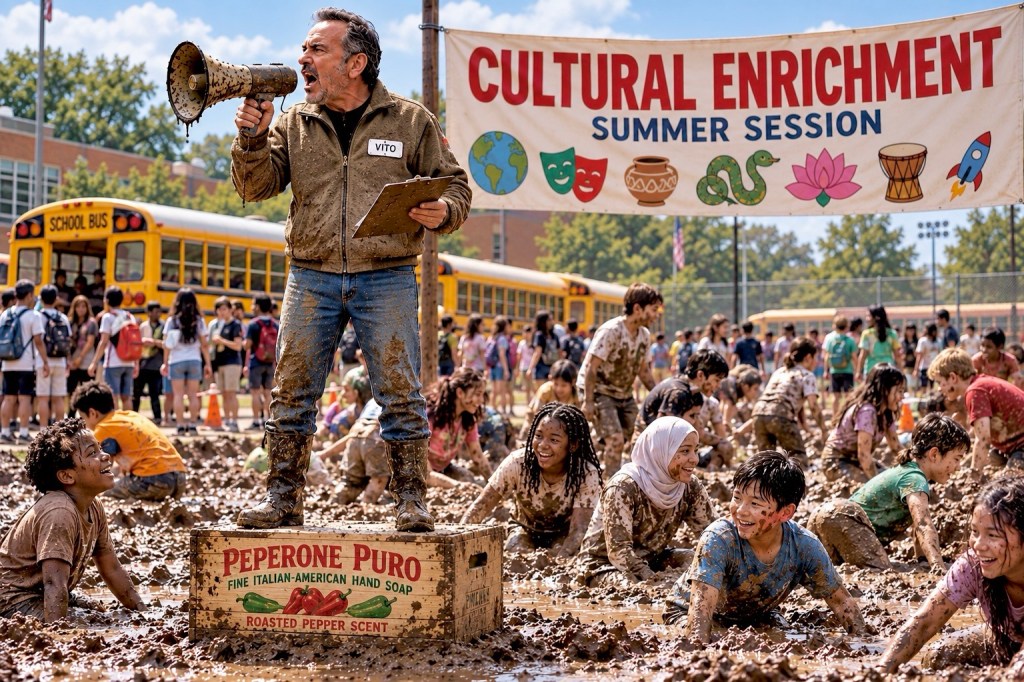
Then came Korea’s Boryeong Mud Festival: mud pools, mud slides, mud painting and mud water cannons.
“How much school do we lose?”
“Jeonhyeo eopseoyo. None.”
It was in July.
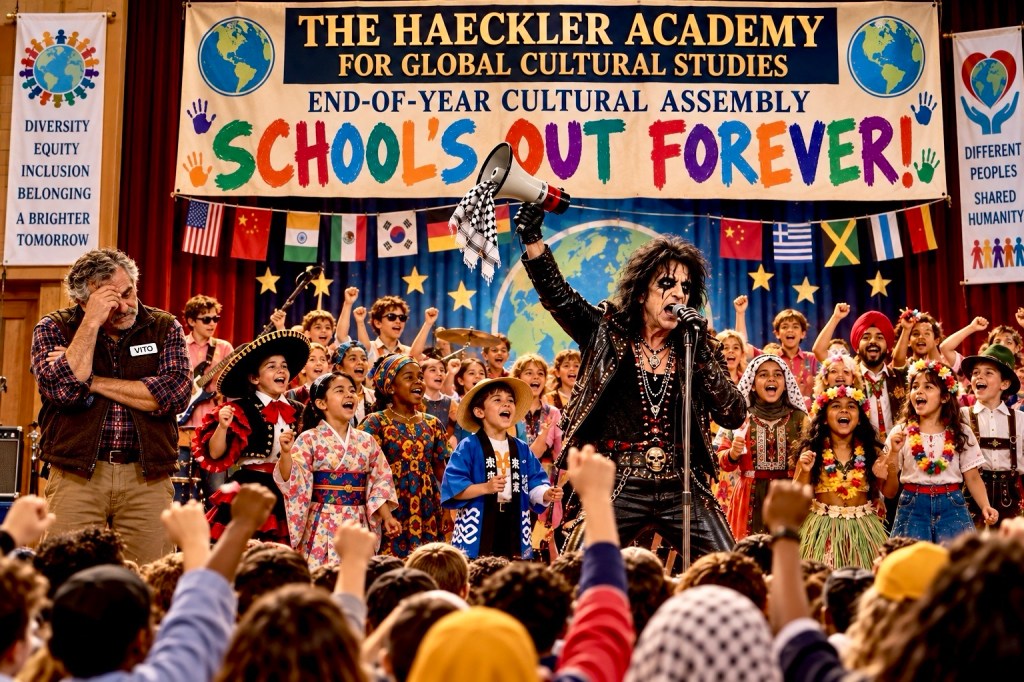
Vito smiled. “School’s out.”
The committee considered excluding a cultural experience merely because children happened to be on summer vacation inequitable.
They brought them back.
Several meetings later, Vito noticed an omission.
“We forgot us.”
If the calendar recognized cultural traditions from around the world, surely Pennsyltuckey possessed a few.
Opening day of firearms deer season went on the calendar. Then trout. Archery. And, after Vito remembered it at the last possible moment, spring gobbler.
A Council Tangent Within The Gist

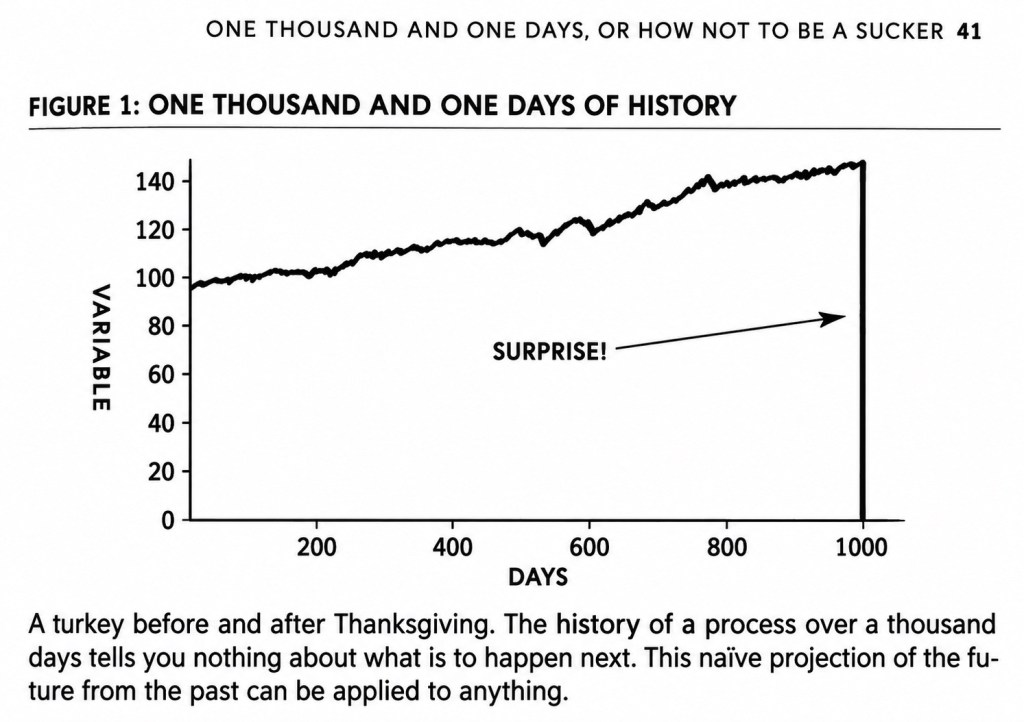
—Nassim Nicholas Taleb, The Black Swan
Vito read it twice.
“Wednesday before Thanksgiving. Put it down.”
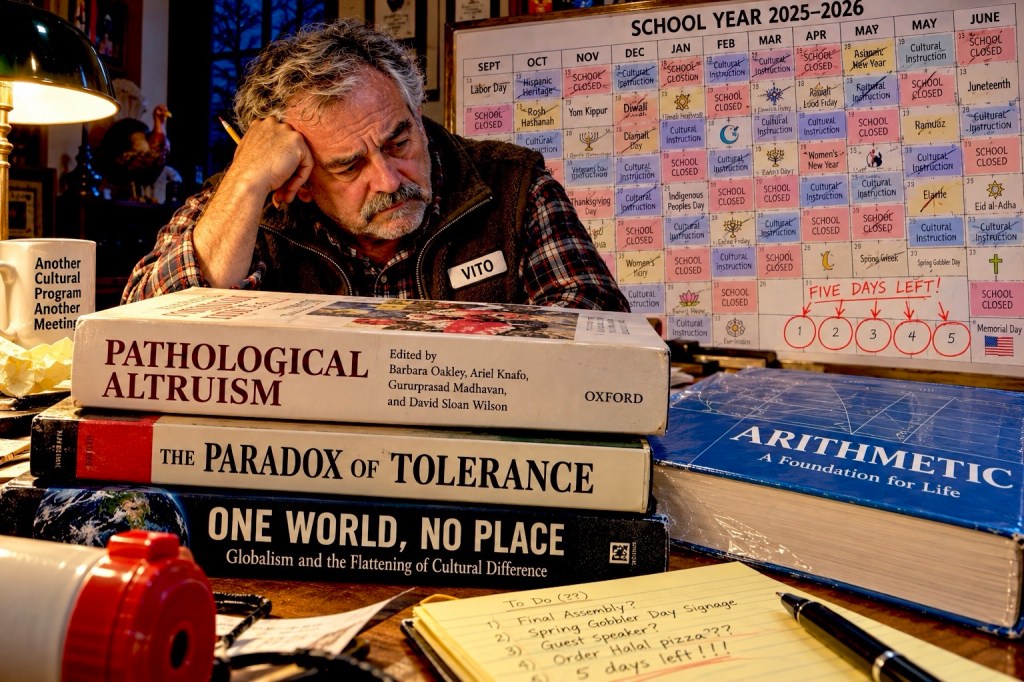
There were some minor additions by then. The rest of the world had already done most of the damage. When the superintendent finally asked how many ordinary instructional days remained, Vito counted twice.
Five.
One was teacher in-service. Another disappeared into a newly discovered cultural observance. Two acquired special programming. The fifth was under review.
Vito stared at the calendar.
“All I was trying to do was be nice.”
Then the state education authorities arrived. Vito expected trouble. Instead, they were impressed.
What he regarded as a school where nobody had time to teach arithmetic, grammar or writing, they recognized as an :
immersive interdisciplinary model of experiential multicultural education.
The school was reorganized as a charter institution specializing in global cultural studies.
Bean throwing became Japanese Cultural Immersion. Mud became Summer Experiential Studies. Deer, trout, archery and spring gobbler became Regional Appalachian Cultural Studies. Nothing had changed except the vocabulary.
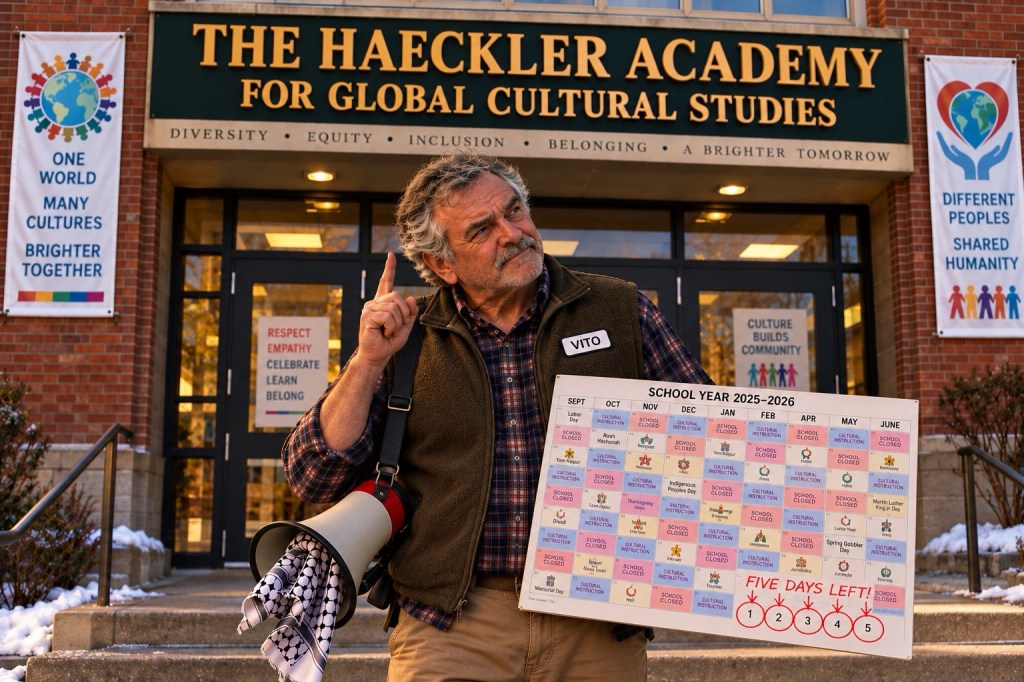
After the dedication, Vito sat alone in the classroom. He opened the arithmetic book. Then the grammar book.
“When do these kids learn fractions?”
He looked at the calendar.
“Or how to write a sentence?”
From the hallway came a voice:
“Mr. Haeckler? We need your approval on the spring-gobbler curriculum.”
Vito put his head in his hands. Somewhere, Alice Cooper smiled.
AFTERTHOUGHT —
Perhaps Vito has merely caught up with the times. Medieval Europe had a calendar crowded with saints’ days and feast days on which ordinary labor could cease. Now we are told we have entered the age of technofeudalism—digital fiefdoms, cloud lords and the rest of us tending the electronic manor.
So why shouldn’t the school calendar become feudal again too?
The saints have been joined by serpents, bean throwing, buffalo racing, mud, rockets and nearly-naked Japanese men. Every culture gets its feast day. Every feast day gets its instructional program. There is, however, one important difference.
The medieval peasant got the day off.
Come to think of it, we’d better not let the slackers hear about this. They’ll want a day of their own.
On second thought, give ’em Leap Day.
Once every four years ought to hold ’em.
Ha!
More From Vito Haeckeler Will Be Found: HERE


Leave a comment