—The Story Behind the World’s Most Famous Bite
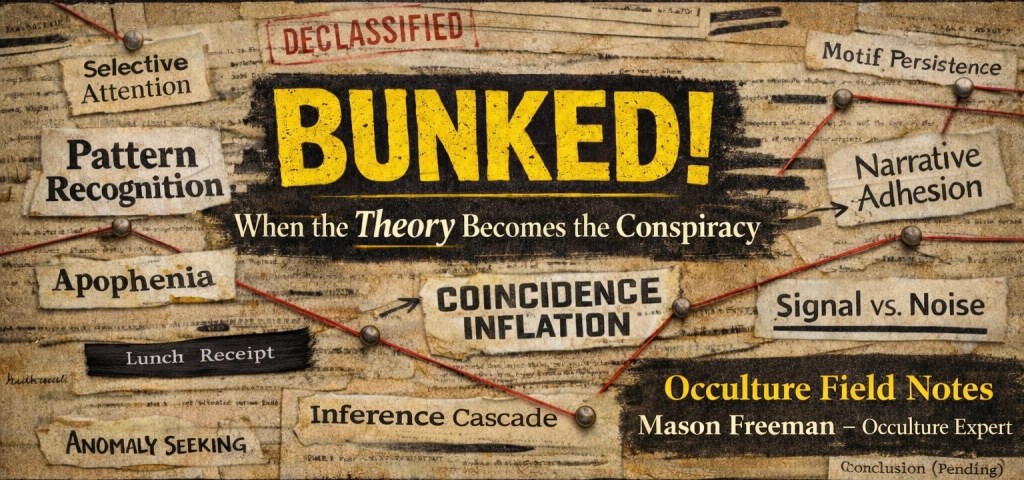
By Mason Freeman
Every so often a conspiracy theory comes along that practically begs to be true. This was one of them.
A company called Apple—A logo depicting a bitten apple—Devices that place nearly all human knowledge into the palm of your hand.
Ladies and gentlemen, I sharpened three pencils, pinned fresh string across the bulletin board, and cleared an entire afternoon.
Surely this one would unravel into a magnificent web of biblical symbolism, esoteric marketing, and Silicon Valley occultism.

Each search is of their concern
No secret. . . left to spare
It’s all there. . .
Then I committed the fatal mistake that has ruined many an excellent conspiracy. I looked at the evidence. Unfortunately, the historical record refused to cooperate.
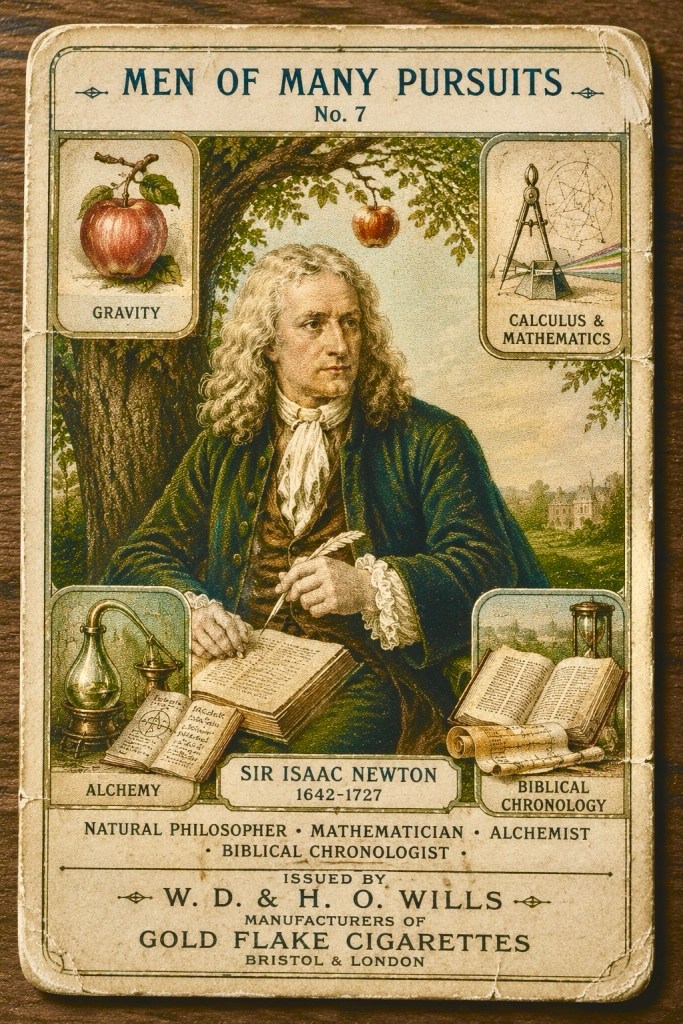
Apple’s first logo, introduced in 1976, wasn’t even a bitten apple. It was an elaborate Victorian-style illustration of Sir Isaac Newton seated beneath an apple tree. Beautiful artwork, perhaps, but hopelessly impractical as a corporate trademark.
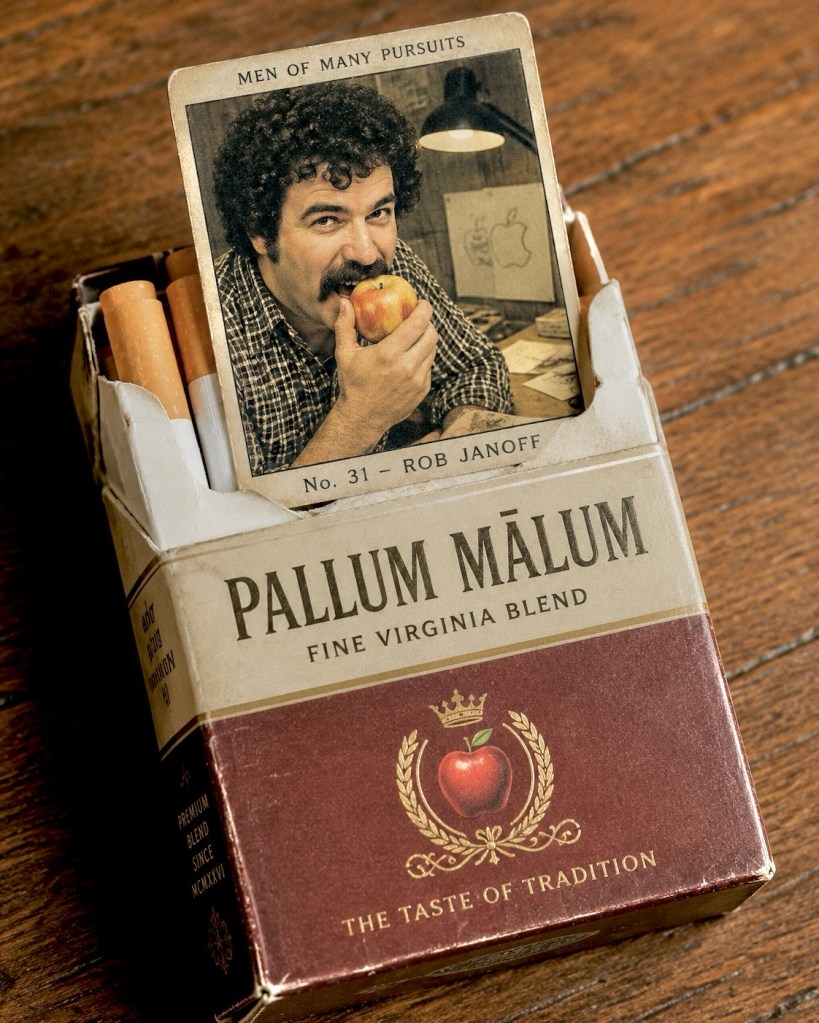
The following year, graphic designer Rob Janoff created the simple silhouette that has become one of the world’s most recognizable logos. His explanation for the bite is refreshingly mundane. Without it, he said, the fruit looked too much like a cherry.
The bite established scale. It made the silhouette unmistakably an apple.

Having exhausted the horticultural evidence, I turned back to the historical record. I expected hidden manuscripts. Secret memoranda. Perhaps an obscure Rosicrucian newsletter. Instead, I found a designer explaining that without the bite people kept mistaking the apple for a cherry.
It is difficult to build an international conspiracy around cherries.
Janoff has also spent years patiently denying nearly every symbolic explanation attached to his work. It was not intended as a reference to the Garden of Eden. It was not designed as a tribute to Alan Turing. It was not even conceived as a pun on the computer term byte, though he later admitted he appreciated the coincidence after someone pointed it out.
From an evidentiary standpoint, the case is closed.
BUNKED.
Or is it?
A Council Tangent Within The Gist

Naturally, that sent me back to Genesis. The Bible never actually identifies the forbidden fruit as an apple. That association developed gradually through centuries of Western art until the apple became the image almost everyone pictured when reading the story of Eden. Somewhere along the way, Europe’s favorite fruit quietly wandered into the Garden and never left.
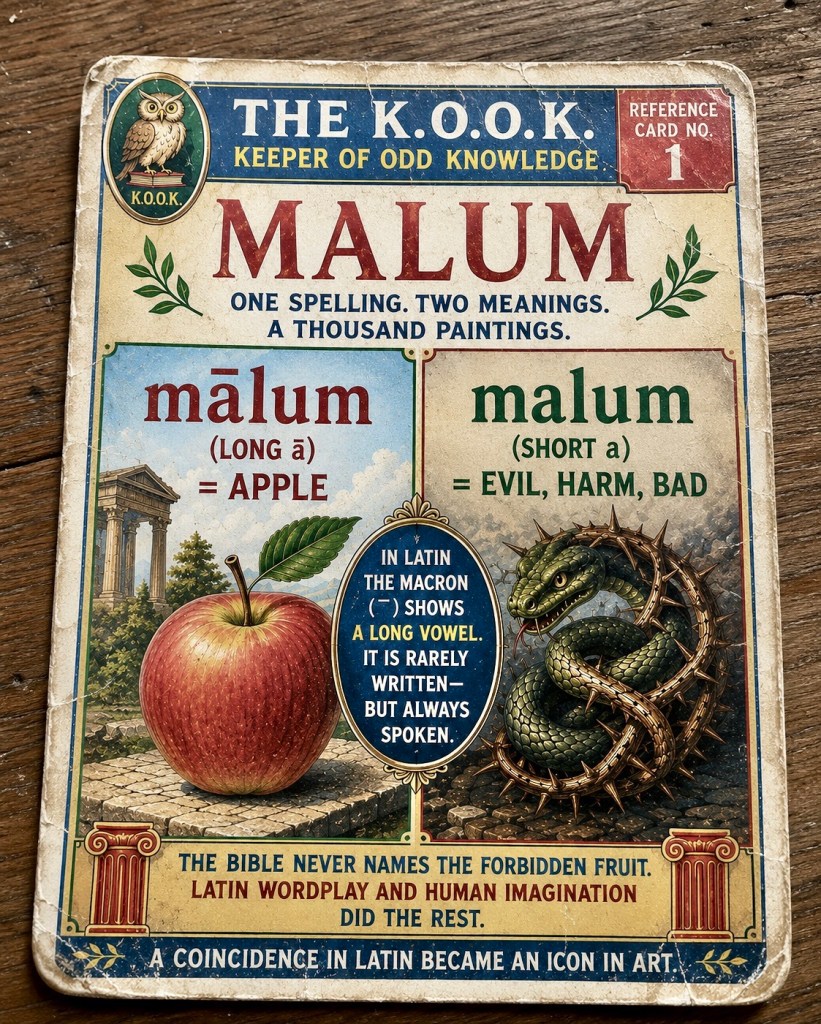
Whether deserved or not, the symbolism became part of our civilization. And then something curious happened.
A company named Apple built devices that became humanity’s principal gateway to information.
The logo remained. . . a bitten apple.
Millions of people now reach for that symbol whenever they wish to settle an argument, answer a question, navigate a city, identify a bird, translate a language, diagnose an engine, or learn almost anything else. Knowledge now lives in our pockets.
Did Apple consciously plan this symbolism? There is no persuasive evidence that it did. This is where lesser investigators make a mistake. Having failed to prove intent, they abandon symbolism altogether.
I prefer to separate the two. Intent belongs to designers. Symbols belong to civilizations.

Odin gave up an eye.
Faust gave up his soul.
Civilization has never expected knowledge to come cheap. Perhaps privacy is simply what our generation brought to the bargain.
— Mason Freeman
Marketing departments create logos. Cultures create symbols.
Somewhere along the way, a perfectly ordinary corporate trademark became a bitten fruit that billions of people consult whenever they desire knowledge. Nobody appears to have planned it. Which, in its own peculiar way, is even stranger.
There is one final irony.
Apple’s original logo celebrated Isaac Newton’s famous apple—the fruit of scientific discovery.
Within a year it had become a bitten apple.
One symbol quietly gave way to another.
No conspiracy required.
Sometimes history has better writers than advertisers.
BUNKED!
Claim: Apple secretly encoded the Garden of Eden into its corporate logo.
Verdict: No evidence.
Field Note: The conspiracy dissolved. The symbolism survived.
Mason Freeman, Oculture Expert. His many observations can be found: HERE


Leave a comment