—Finding Oneself in Other People’s Creations—
A Special Presentation at the Paradigm Theatre
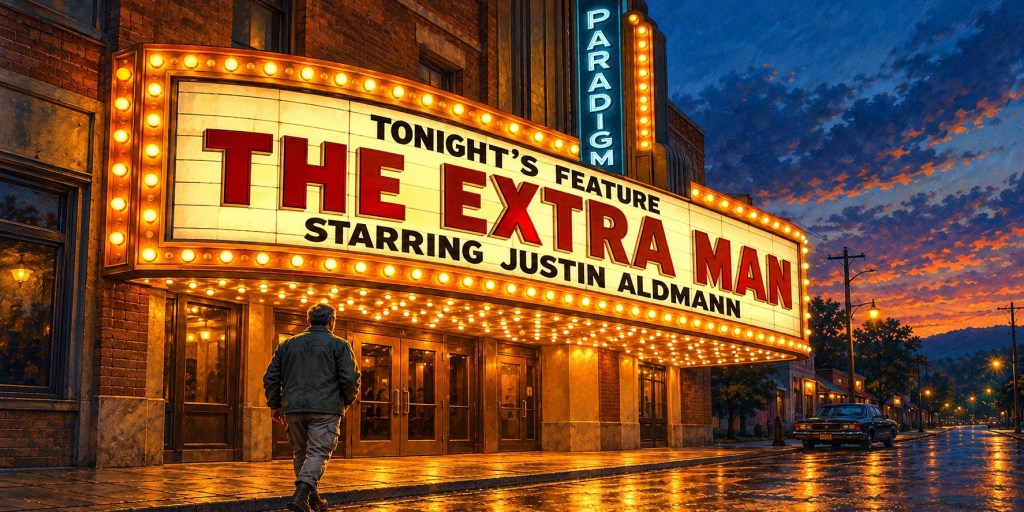
An Introduction
Ladies and gentlemen of the Council, tonight’s presentation features Justin Aldmann in a series of appearances for which he was never auditioned, cast, or even notified. The productions range from motion pictures and literature to popular songs and historical photographs. Sometimes he wandered into a scene he already knew; sometimes he discovered years later that someone else had created a scene from a place already familiar to him. We invite you to take your seats and watch for the extra man. He may be difficult to spot.
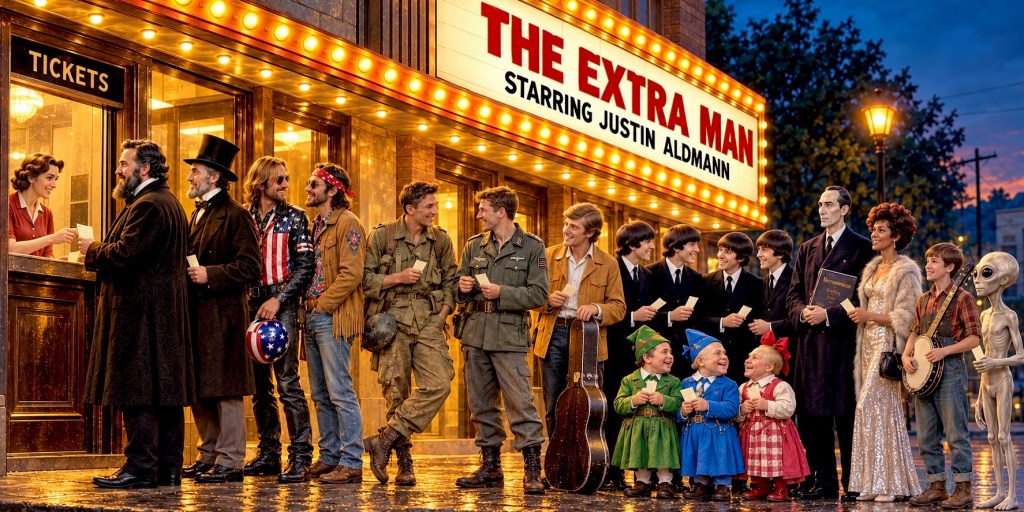
Justin Aldmann Takes the Floor
Colin Wilson described something he called Faculty X—the ability to experience an imagined or distant world as though you were actually there. What happened to me was almost the reverse. I didn’t have to imagine myself into another world. I kept discovering that I was already in it. And I must say, the discovery was sometimes astonishing.
1. Wasn’t Born to Follow
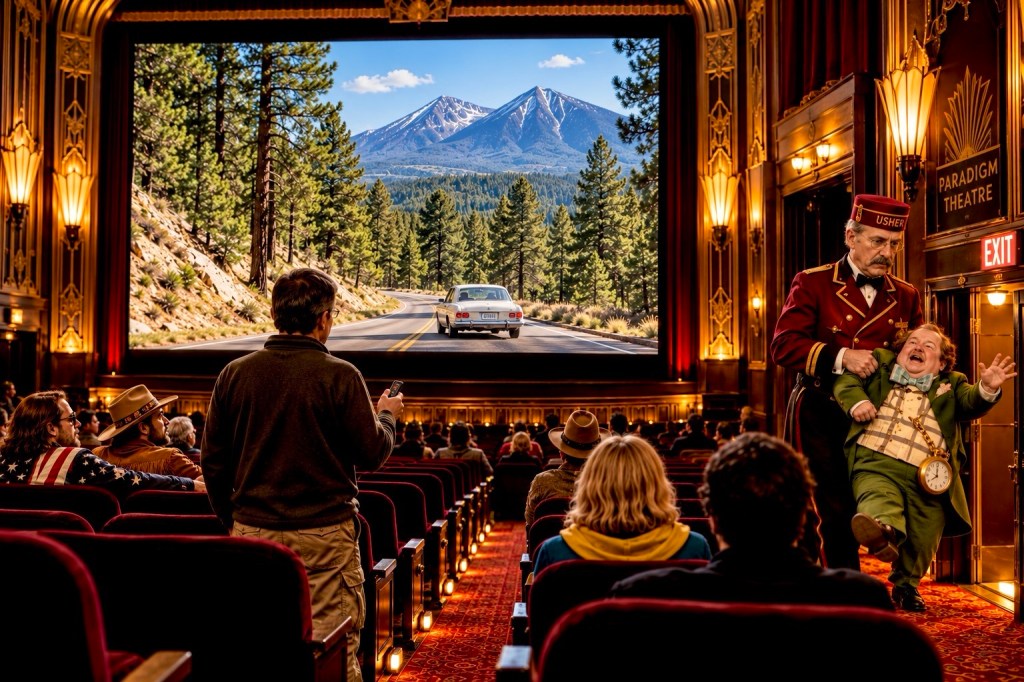
I was stationed in Arizona in 1972, and on weekends I liked to take my little Datsun out along the roads around Flagstaff. I was going through a Western phase, complete with cowboy hat and pointed boots.
One afternoon I found myself driving through the very landscape I’d admired in Easy Rider, with the San Francisco Peaks in the distance. I could almost hear the Byrds singing “Wasn’t Born to Follow.” Unfortunately, my commanding officer held a different opinion.
2. By the Time I Get to Phoenix
I had loved Glen Campbell’s recording of :
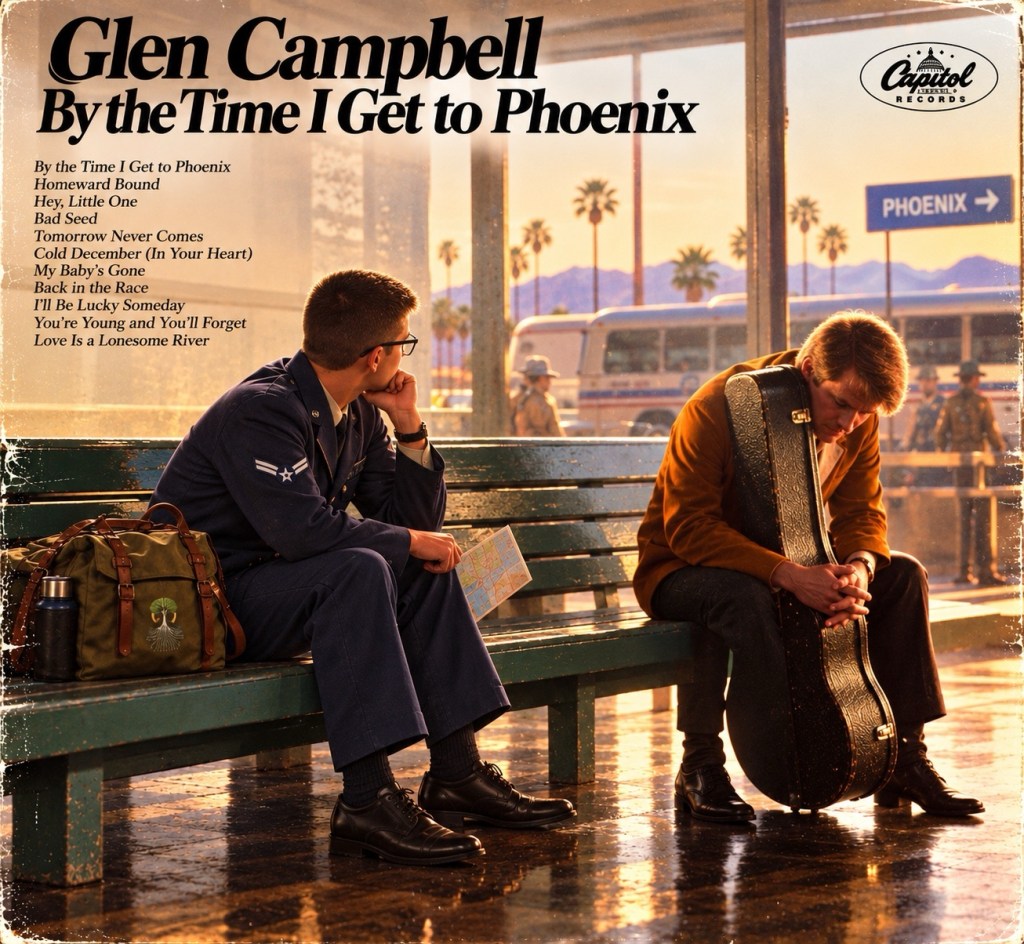
When the Service sent me there, I was delighted. I had a rather romantic picture of the place, supplied almost entirely by Jimmy Webb.
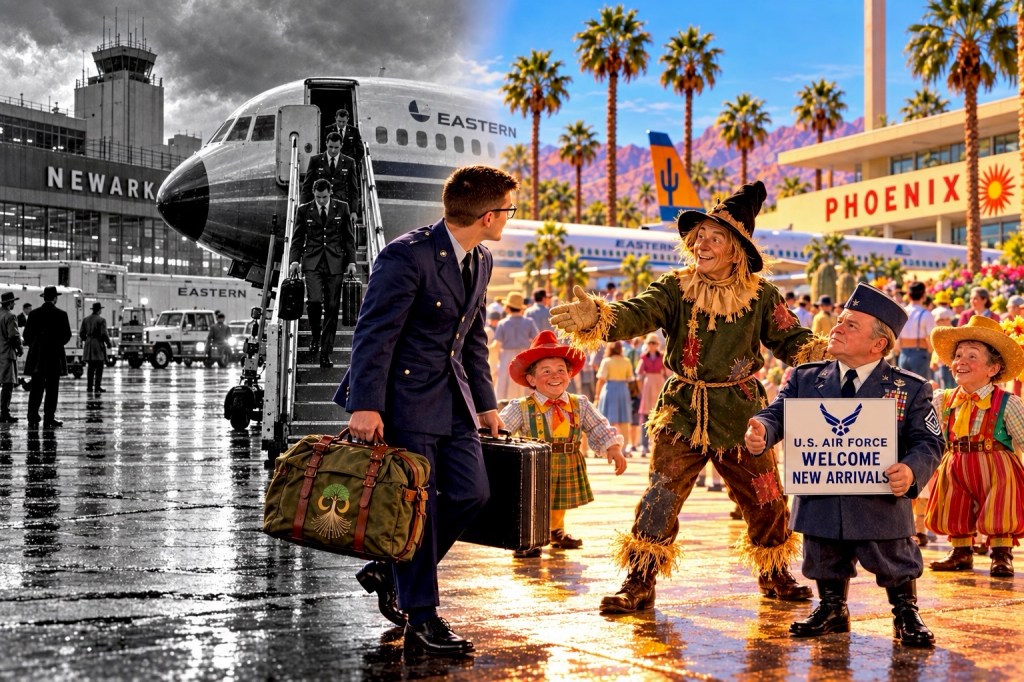
I flew out of gray, overcast Newark in February and landed at Sky Harbor beneath a brilliant Arizona sun. I cannot emphasize enough how much it felt like that precise moment in The Wizard of Oz when Dorothy opens the door and the world suddenly becomes Technicolor. I was genuinely moved by it, as though I’d crossed into another world myself. Phoenix turned out to be a modern city, quite unlike the one I had imagined. In some ways, it was better.
3. Do You Know the Way to San Jose?
Some songs take up residence in your head without ever asking permission. Dionne Warwick’s “Do You Know the Way to San Jose?” was one of them.
Years later, arriving at San Francisco International Airport, I saw a highway sign pointing toward San Jose. Suddenly that familiar name had become a real destination. I hadn’t been looking for the song, but there it was, waiting beside the road. I was in the song!
*A Council Tangent Well Within The Gist*
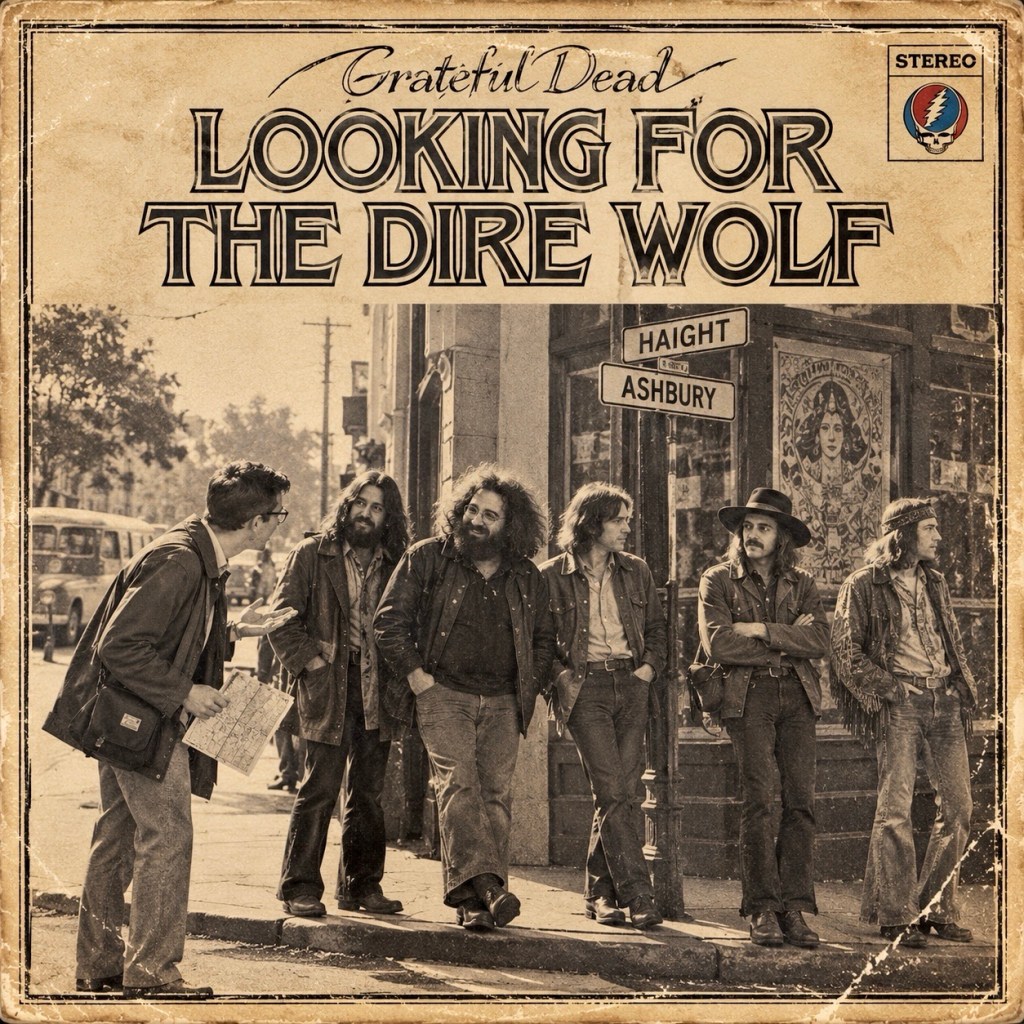
Apparently, Justin wasn’t the only one discovering the world through songs and movies. Some people were finding creatures there that hadn’t walked the earth for thousands of years.
BBC: The mysterious wolf that sparked a dire wolf debate
4. Help!
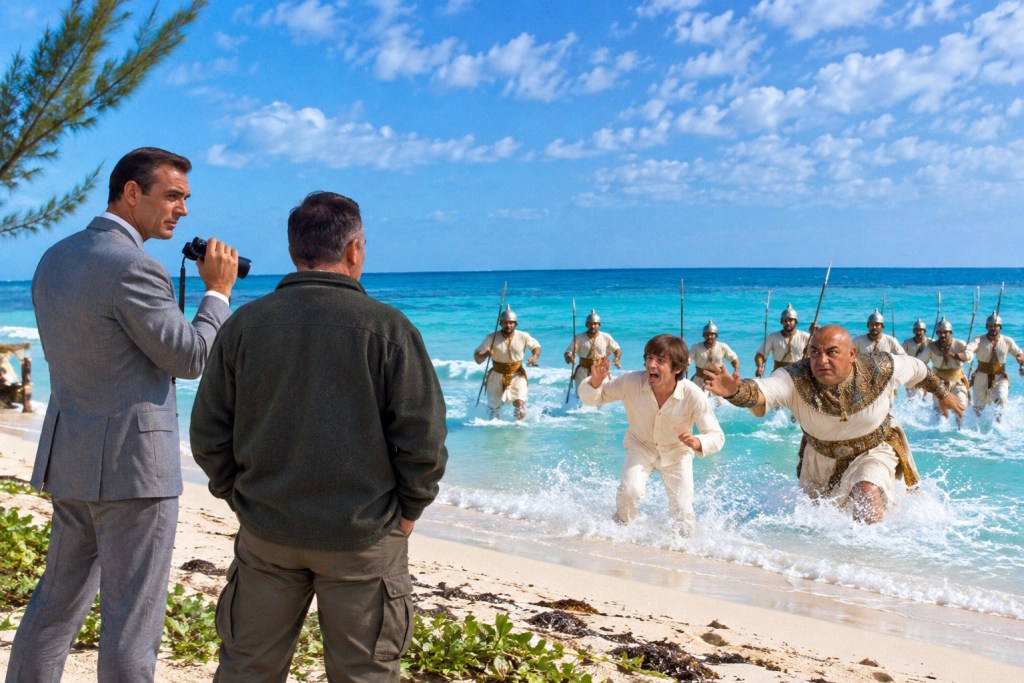
As I strolled along the beach in the Bahamas, I was overcome by a curious feeling of déjà vu. Something about the shoreline seemed strangely familiar. Then it suddenly came to me: I had seen this very place in the Beatles’ Help! I was astonished to discover that I was walking through the actual location of a movie I’d watched years before.
It was an odd pleasure to discover that those extravagant colors and tropical surroundings hadn’t been invented for the camera. They were still there, quite indifferent to the Beatles and to me.
5. The Horror at Red Hook
Not all these encounters were cheerful. When I was seven or eight, I lived on Martense Street in Brooklyn. At night the buildings seemed to rise like canyon walls, and the darkness gave the street a character I found distinctly unsettling.
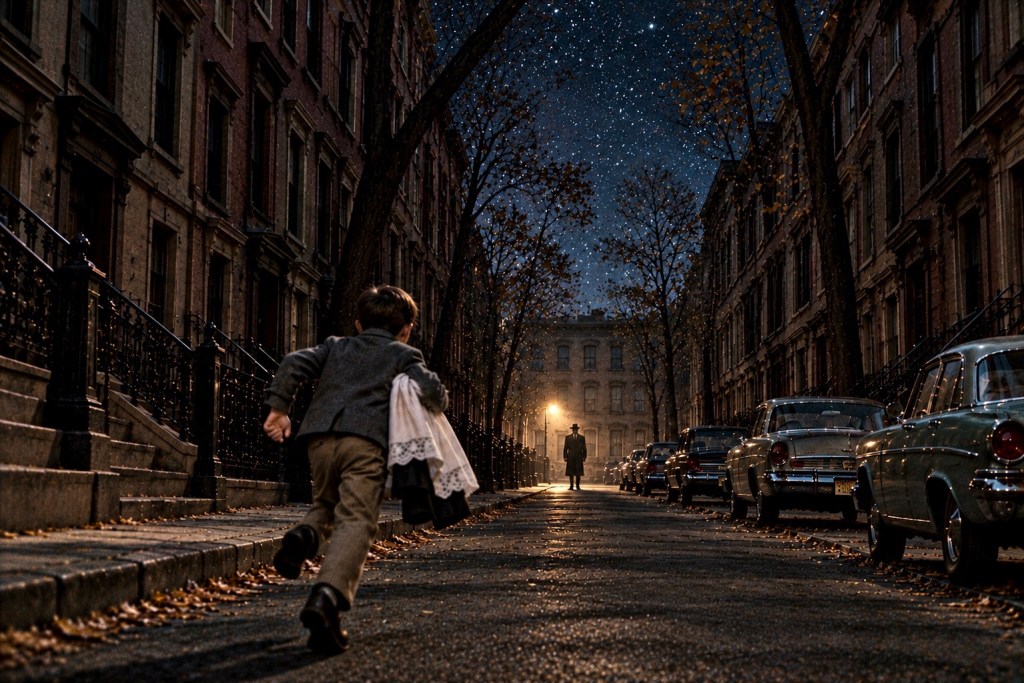
Many years later, while reading H. P. Lovecraft’s The Horror at Red Hook, I came upon the name Martense Street and sat bolt upright in bed. When I was seven years old, I had run terrified down that very street in the darkness, carrying my cassock and surplice to serve the early-morning Catholic Mass. It was unlit, terribly narrow, and the brownstones rose at least three stories on either side, making the darkness seem even more oppressive.
Martense Street was so short, and my memory of it so particular, that I was almost certain Lovecraft had known that very stretch and used it in his story. There was something uncanny about discovering that a place which had frightened me as a child had also found its way into another man’s imagination.
Only much later did another correspondence occur to me. While I was running from whatever terrors my imagination had populated that street with, I was myself on my way to participate in an ancient religious ritual involving the body and blood of a sacrificed man. I wonder what Lovecraft would have made of that.
I hadn’t entered Lovecraft’s world. I had lived there.
6. The Tower at Nuremberg
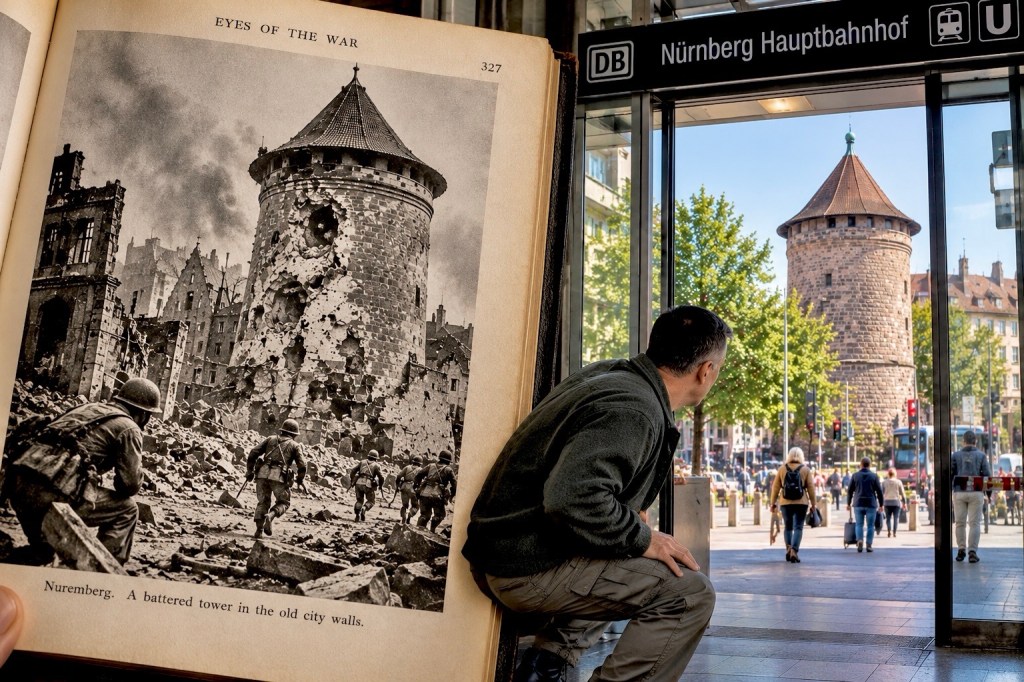
When I was about six, I spent my Saturday mornings poring over a picture book my father had bought while still in the service, shortly after the war. It was called Eyes of the War: European Theatre. That word theatre particularly intrigued me. To my young mind, a theater was where you went to see a movie, and in a way that was how I experienced the Second World War—through those photographs. My father had been there, though he seldom spoke of it, and I somehow sensed his experience in the pictures. The war seemed almost romantic to me then, a distant world of soldiers, ruined cities, and extraordinary events. One photograph stayed with me: a battered medieval tower in Nuremberg, scarred by shellfire. Decades later, emerging from the railway station in Nuremberg, I saw what I believe was that very tower. The recognition struck me with a jolt. I could see the photograph from my childhood as vividly as though the book were open before me.
7. A Visit with Melville
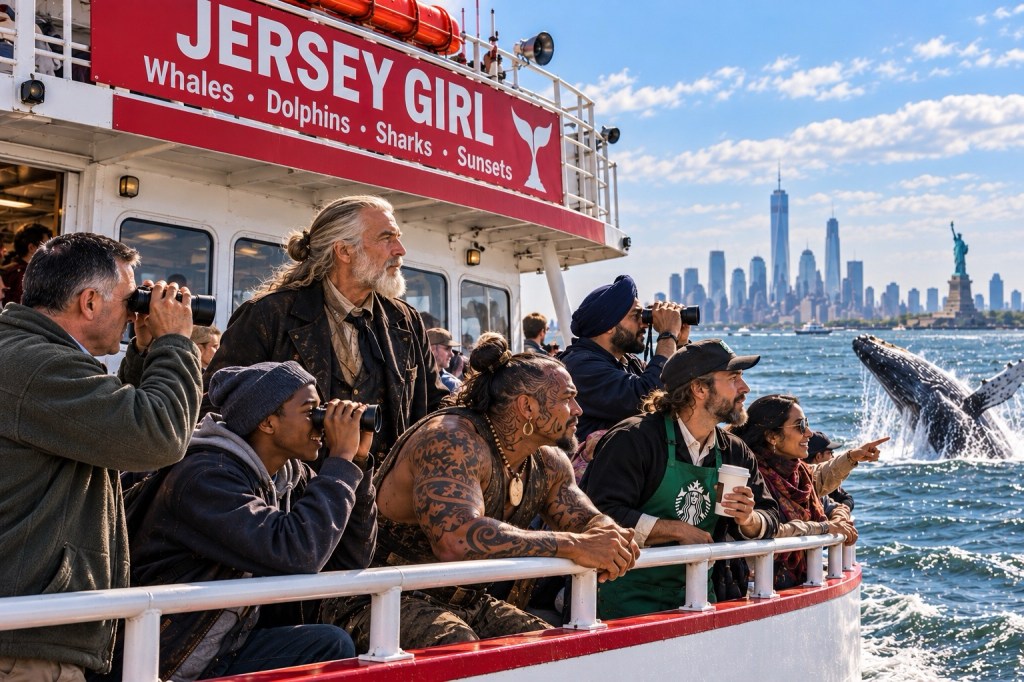
At Sailors’ Snug Harbor on Staten Island, I attended a lecture and learned that Herman Melville’s brother Thomas had been governor there, and that Herman himself had visited.
I hadn’t gone looking for Melville. Nevertheless, I was pleased to discover that I had wandered into a place connected with a writer whose books had already occupied so much of my imagination. It was literary tourism without the inconvenience of planning it.
The Melville connection reminded me of another occasion when I had found myself unexpectedly involved in one of his productions—this time not merely as a visitor, but as a member of the crew.
8. Deliverance
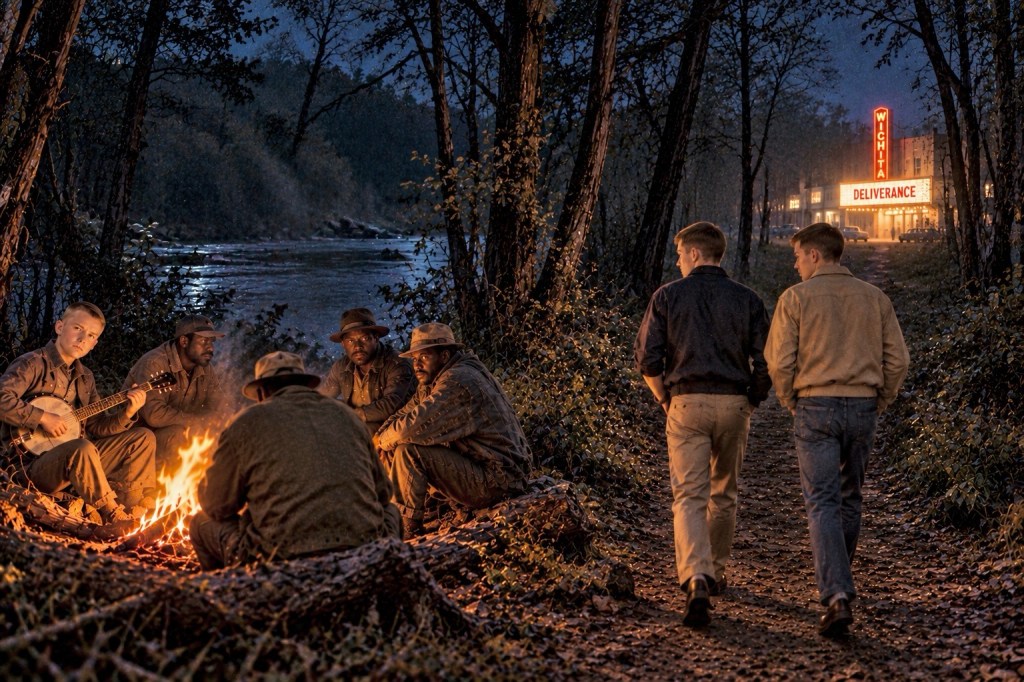
One cold evening in Wichita Falls, Texas, I walked with a companion along a dark riverbank on our way to the movies. Several men, perhaps hobos, sat around small campfires, speaking in heavy Texas drawls that sounded almost foreign to a young fellow from Brooklyn. They barely acknowledged us as we passed, except to give us the impression that we had intruded upon their little world. The river was almost invisible in the darkness, and the whole scene seemed strangely exotic.
A short while later, sitting in a movie theater watching Deliverance, I was astonished by how much the people and atmosphere reminded me of the scene I had just walked through. It was as though I had wandered through part of the movie on my way to see it.
9. A Close Encounter of the First Kind
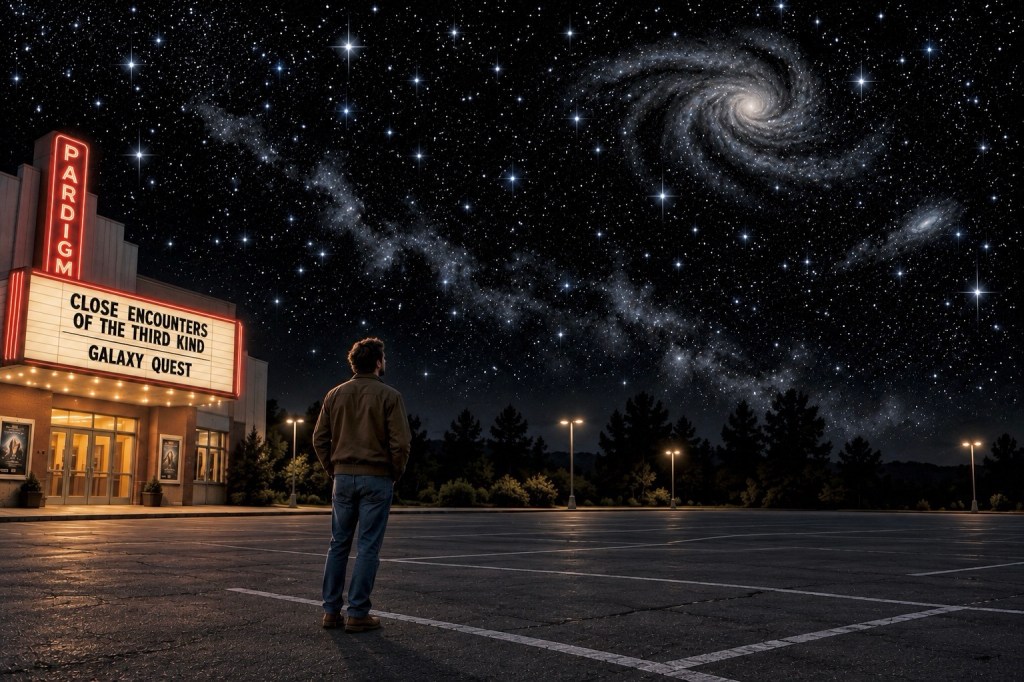
Where I lived, the night sky was seldom particularly impressive. But one evening, after seeing Close Encounters of the Third Kind for the first time, I stepped out of the theater into a deserted parking lot and looked up. The sky was extraordinarily clear, black and crowded with brilliant stars. At that late hour, the stillness made the heavens seem almost numinous. Confronted with such immensity, the notion that ours could be the only inhabited world seemed almost absurd.
It was as though the theater had simply removed its roof and allowed the picture to continue. I was reminded of the premise of Galaxy Quest, in which aliens mistake a fictional television series for actual events and recruit its actors into their own adventures. Here I was, an ordinary moviegoer, discovering that the universe outside the theater might be more extraordinary than anything on the screen. Once again, I had wandered into someone else’s production.
End Credits
Justin Aldmann has appeared in numerous literary, musical, and cinematic productions without receiving a single screen credit—or, for that matter, being informed of his participation.
Justin turned toward the audience.
“And now, ladies and gentlemen, you’ve all appeared in a production of mine. I hope you enjoyed your parts. Naturally, none of you will receive a screen credit.”
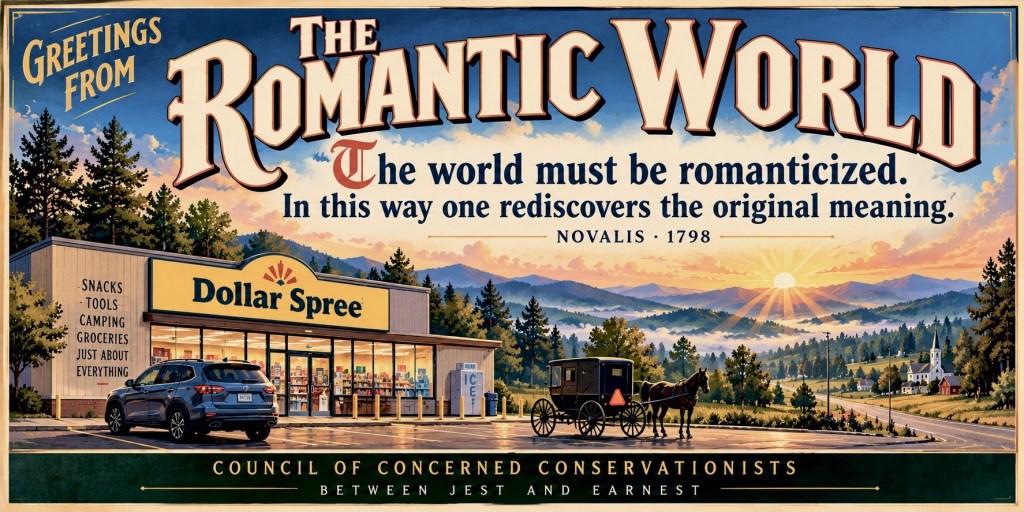
— After Novalis (1798), with amendments by the Council of Concerned Conservationists.
More From Justin And His Thinking Outside The Box Column Can Be Found: HERE


Leave a Reply