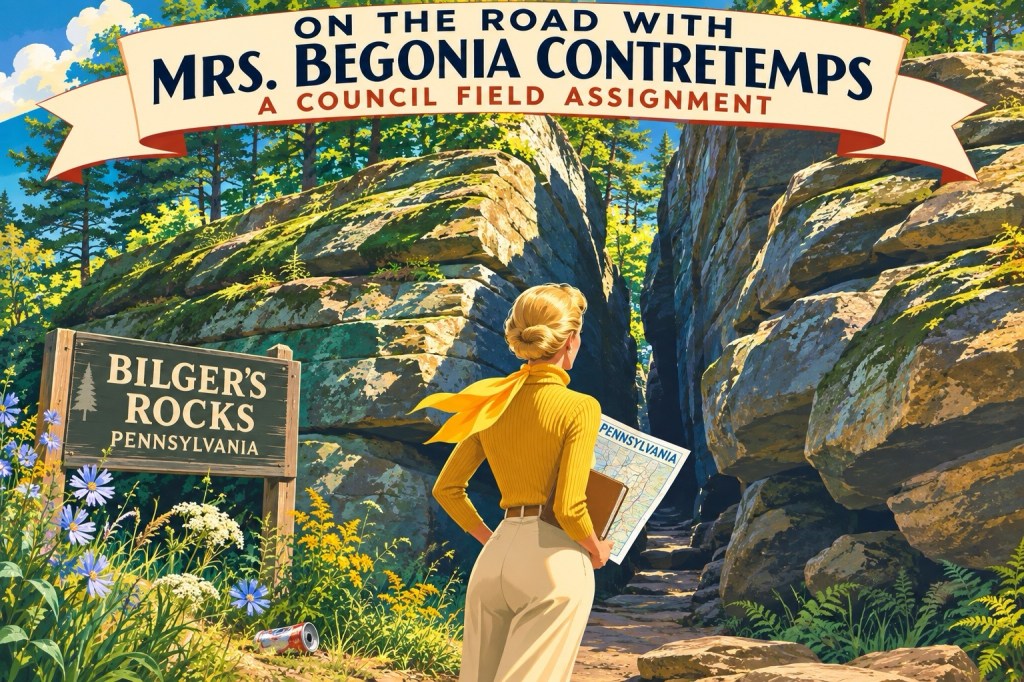
There are assignments one expects to receive while traveling on behalf of the Council: investigate an obscure roadside attraction, interview an improbable local authority, determine why a perfectly ordinary American custom becomes inexplicable the moment one attempts to explain it. This one would somehow bring together a devout Victorian poet and a paranoid twentieth-century science-fiction writer—two people separated by nearly everything except, as Mrs. Begonia was about to discover, where they thought one ought to look.
THE ASSIGNMENT
JOHN: “Mrs. Begonia, your current assignment, should you choose to accept it, is to find the Divine.” BEGONIA: “Wait! What? In Pennsylvania?” JOHN: “That is where we presently have you.”
The Traditional Divine
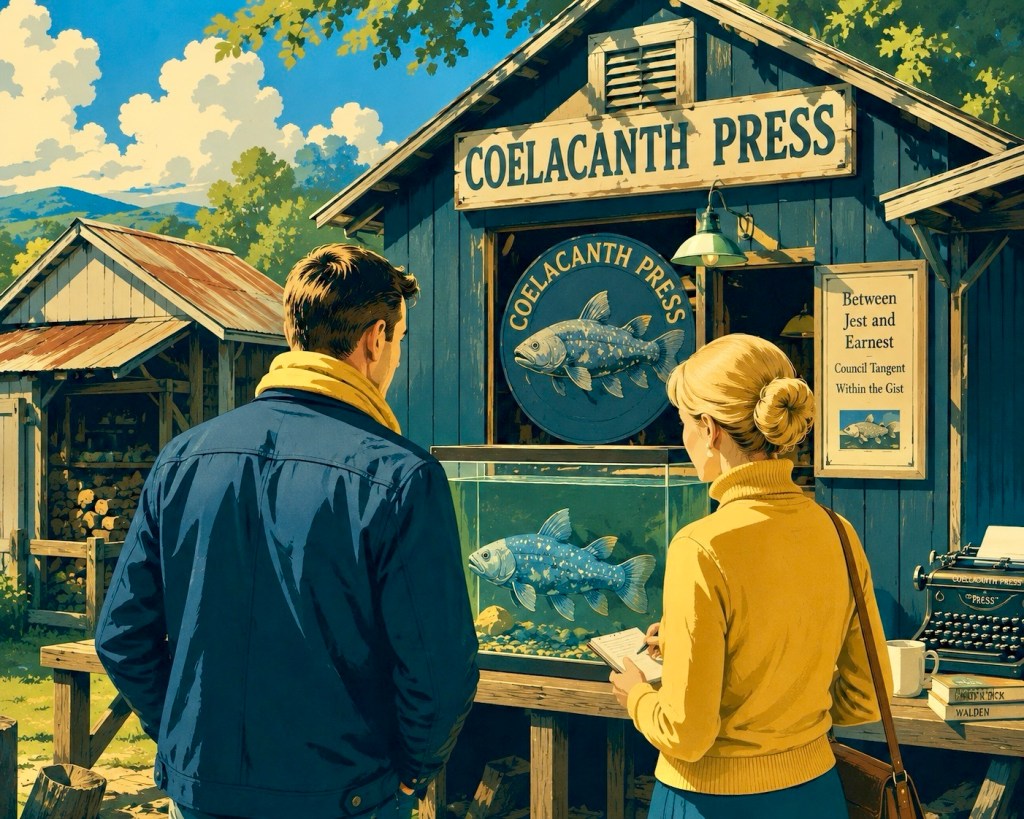
“I began with the churches, restricting myself to the less ostentatious examples with which I was familiar: one moved from an abandoned coal town and no longer used; one a log church preserved as a National Historic Site; and one a surviving church façade, later used in The Godfather, with a smaller church tucked behind it. The Divine, it seemed, had already experienced several changes of address. One must begin somewhere.”
The Interior Divine
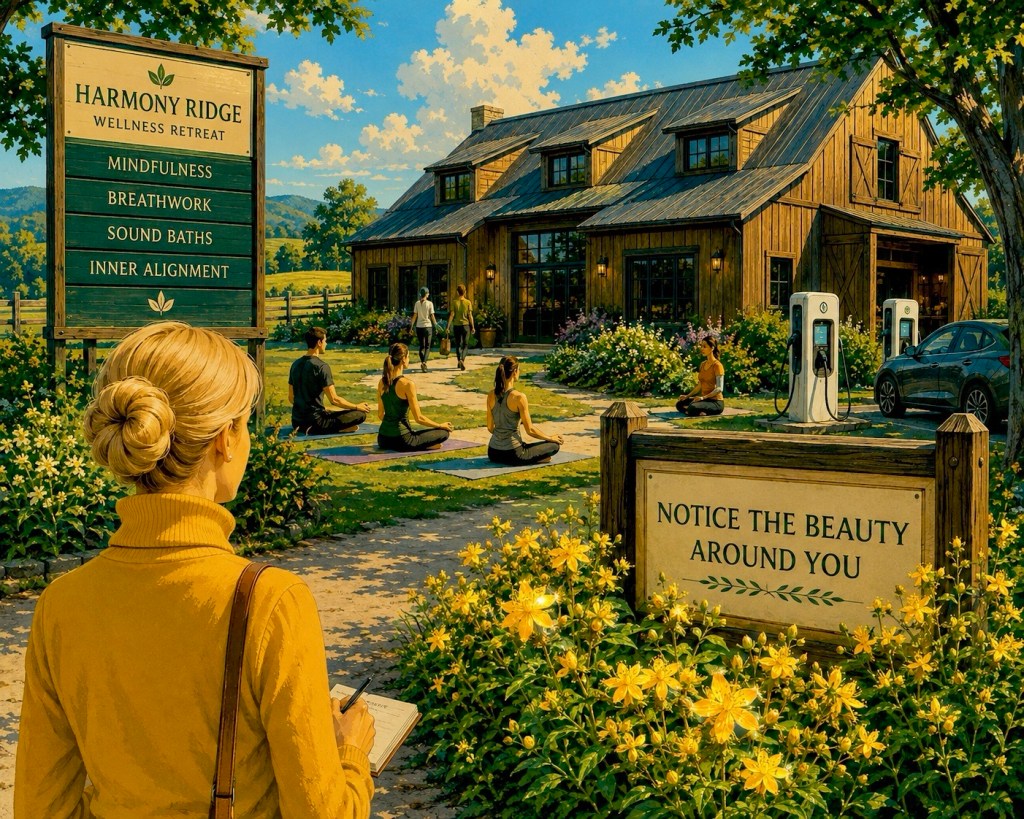
“My next inquiry suggested that the Divine might be found within. This seemed conveniently vague, though I soon gathered that convenient vagueness was among the establishment’s principal offerings. I added it to my itinerary.”
Intellectual Divine
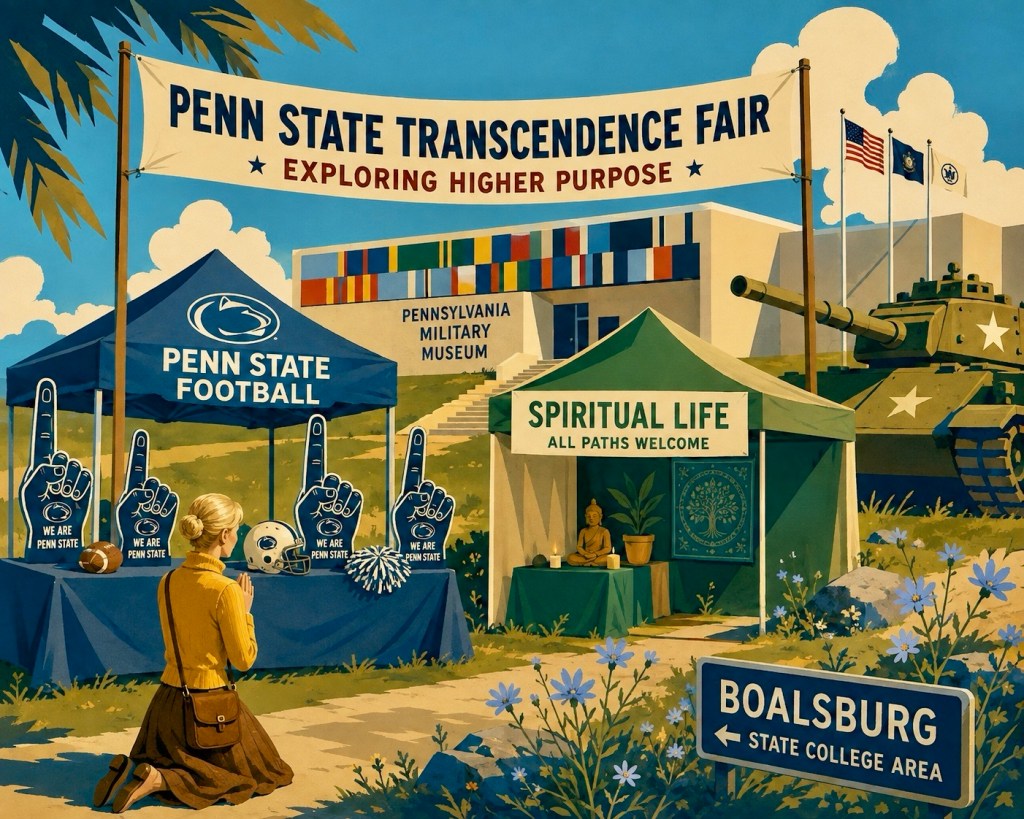
“At the institute of higher learning I found the search considerably broadened. Spiritual Life occupied one tent; football another. This was less absurd than it first appeared. Thousands regularly escaped the confines of the self through ritual, collective emotion and identification with eleven young men who did not care a whit about them—a degree of indifference not entirely unknown in certain conceptions of the Divine. The foam fingers, at least, indicated the proper direction.”
THE MORAL DIVINE
“Morality seemed another promising avenue. I had understood its older forms to concern themselves considerably with the avoidance of transgression. Here I encountered the curious modern arrangement in which transgression had itself acquired moral standing. This did not mean that prohibitions had disappeared. They had merely changed addresses. Whether the Divine had moved with them remained the object of my inquiry.”
AN UNACCREDITED AUTHORITY
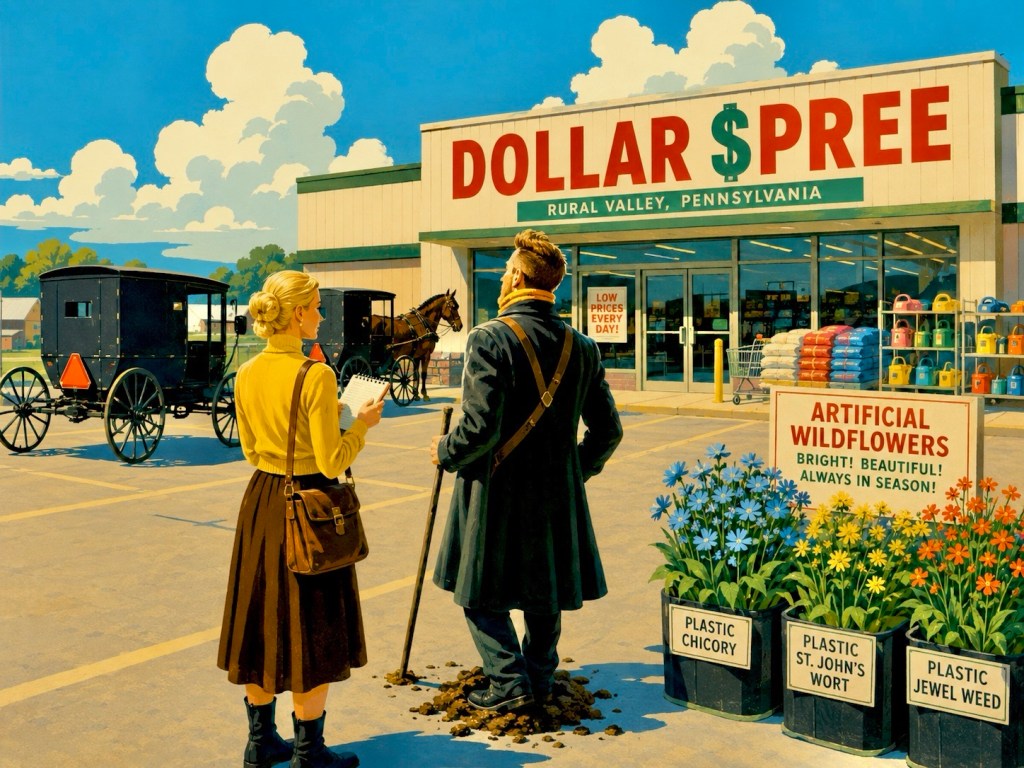
ACCIDENTAL INITIATE: “Mrs. Begonia. Funny meeting you here.” BEGONIA: “Considering your title, I should have thought it almost inevitable.” ACCIDENTAL INITIATE: “What’re you looking for?” BEGONIA: “The Divine.” ACCIDENTAL INITIATE: “Oh.” He considered this for a moment, apparently unaware that he had just stepped in something left behind by one of the Amish horses. ACCIDENTAL INITIATE: “I know where that is.”
THE DITCH
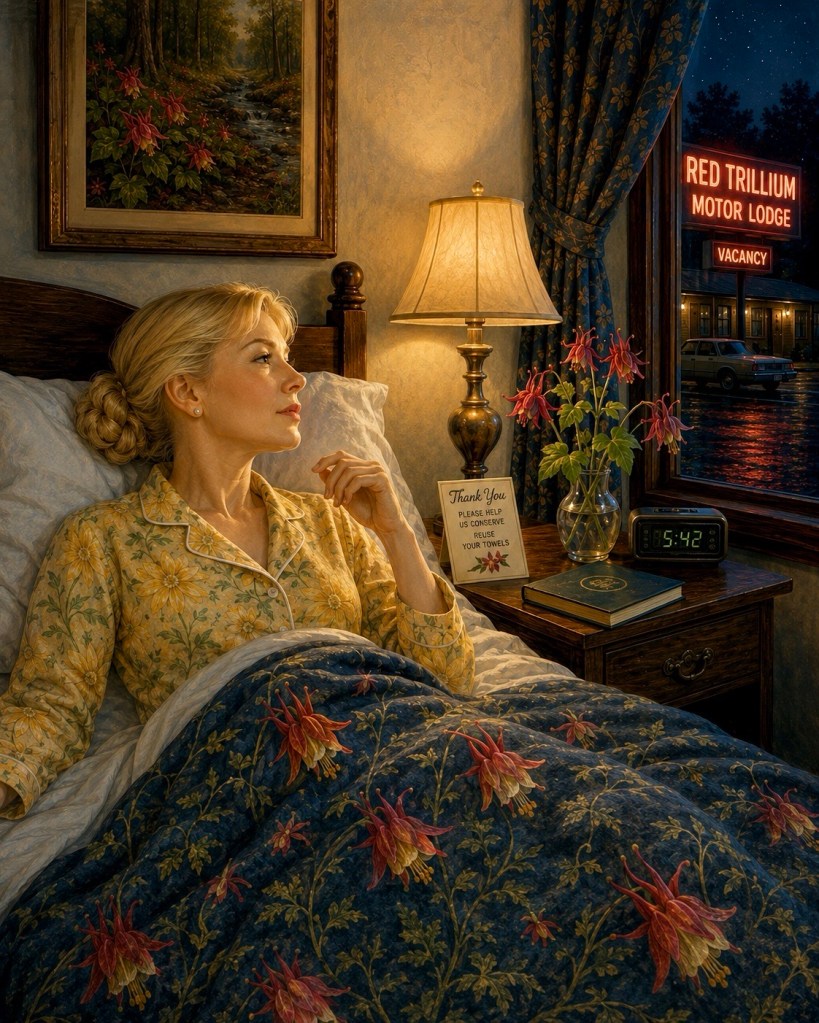
WOKE, AS IT WERE
“Upon awakening the next morning, I discovered that my unconscious had apparently continued working after I had retired for the evening. Two and two, which had stubbornly refused to make four all day, had finally consented to do so.”
A MÉNAGE À TROIS OF MEANING
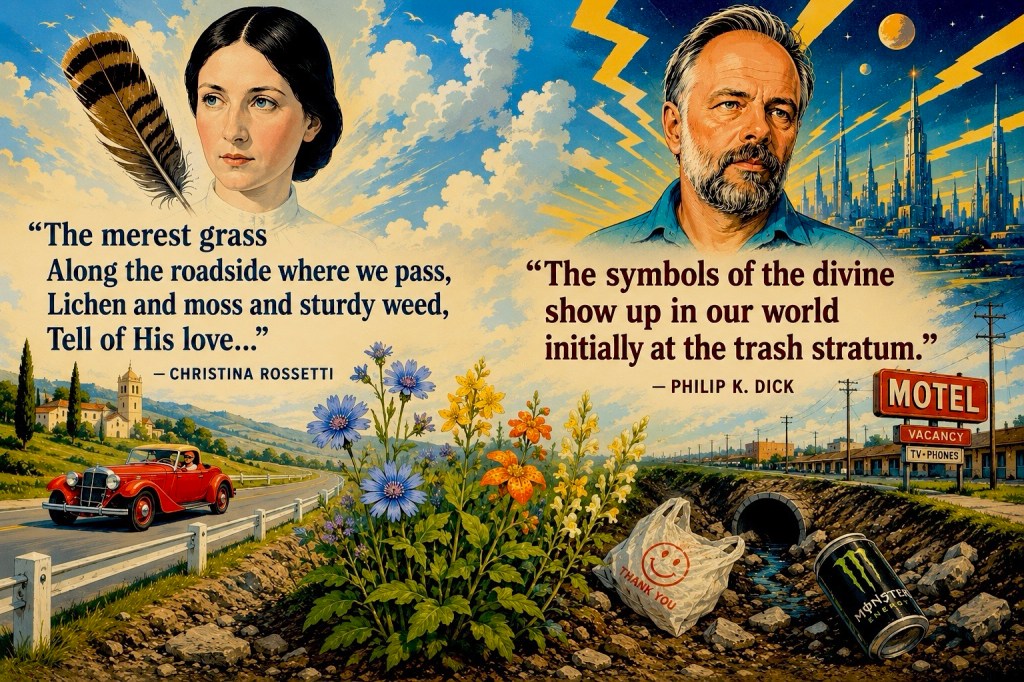
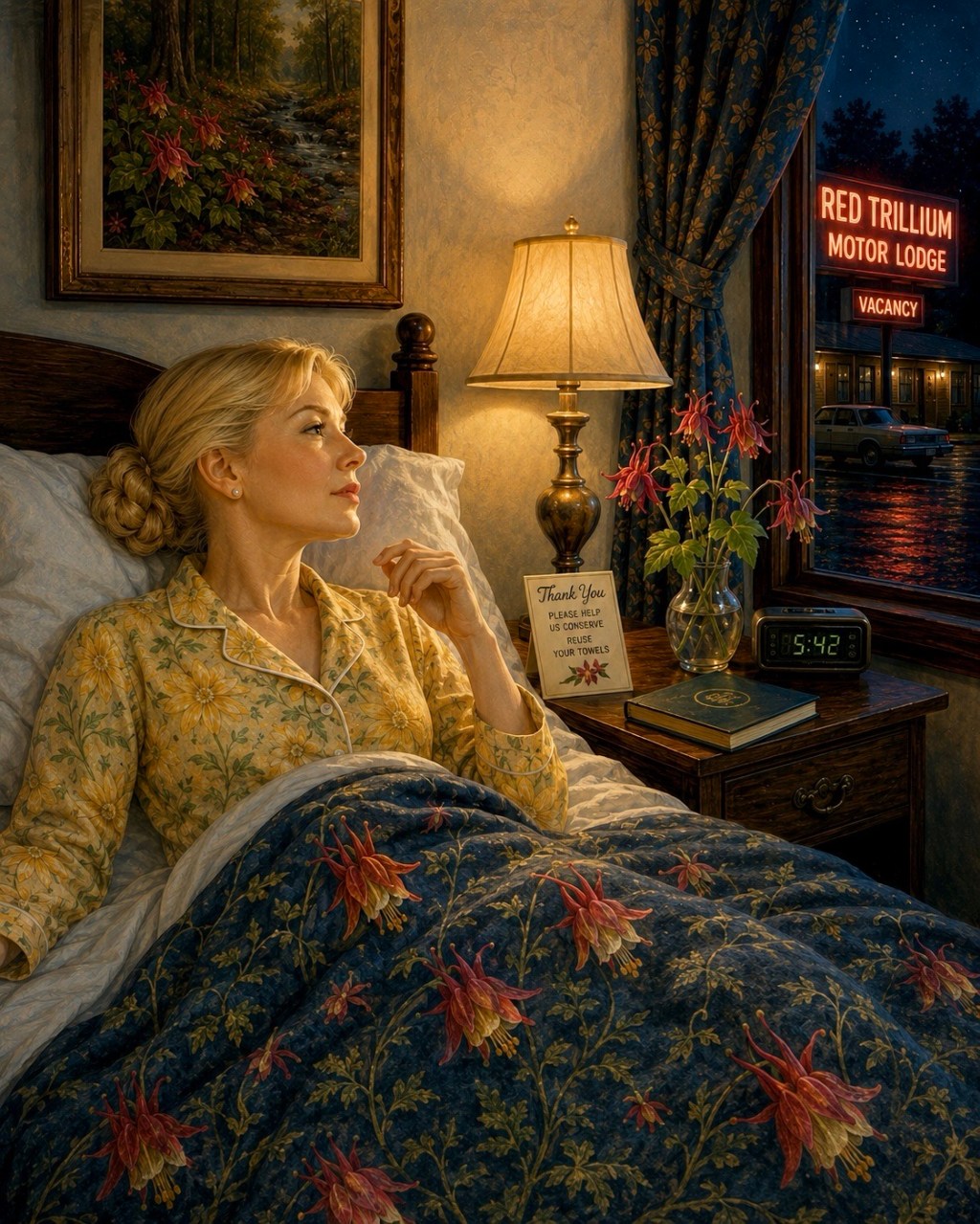
“John had sent me out into Pennsylvania with the improbable assignment of locating the Divine, and I had spent the better part of a day looking everywhere one might reasonably have been told to look. Somewhere during the night, however, two decidedly strange bedfellows had climbed into the matter: a devout Victorian poet and a paranoid American science-fiction writer. Christina Rossetti found His love in the roadside weed; Philip K. Dick expected the symbols of the Divine to appear first in the trash stratum. Put the two together and one arrives, rather inconveniently, at precisely the place our young man, AI, had pointed. The ditch‽ Good Lord. I had found it!”
ICONS FROM THE DITCH
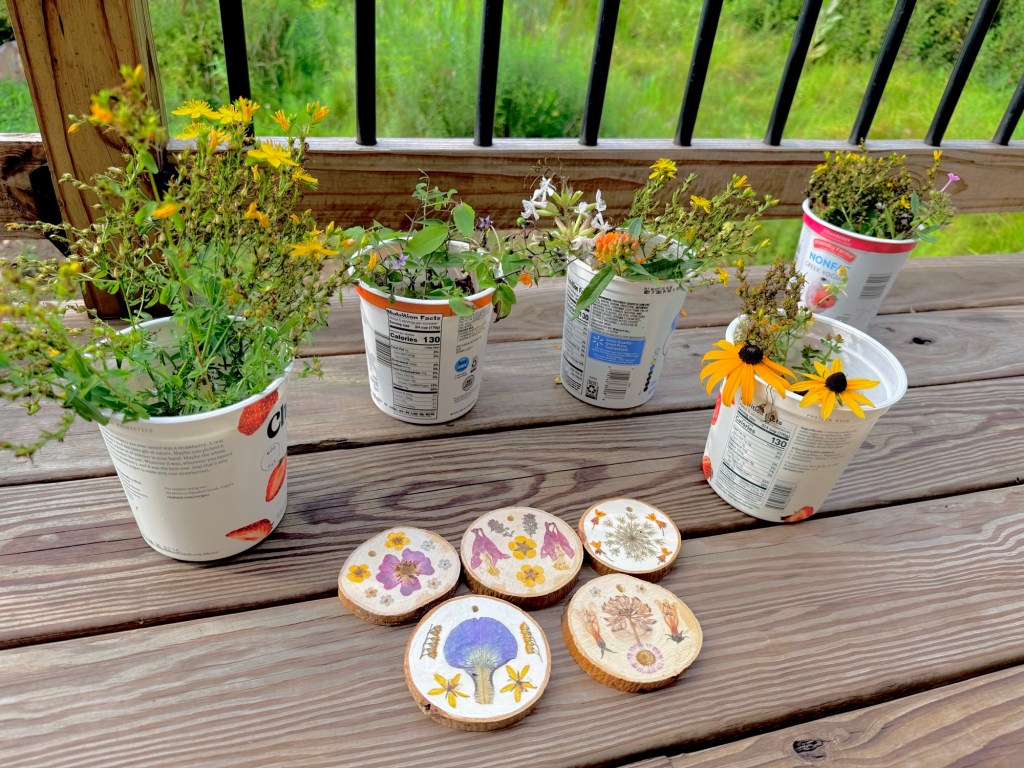
Wildflowers gathered from the roadside that inspired this report. They have since been pressed, mounted on wood, and promoted from ditch weeds to icons. The containers remain firmly within the trash stratum—or would, apparently, if they weren’t recyclable. The wildflowers, being perennial, had already thought of that.
The Further Adventures of Mrs. Begonia Contretemps can be found: HERE





Leave a Reply